The quick version
- The Rovaniemi husky ride runs most reliably from December through February, when snow is deepest and temperatures coldest on the trail.
- November and March see variable conditions; snow may be thin or patchy, and the tour may not operate on all dates depending on weather.
- January brings the harshest temperatures, ideal for sled conditions but expect extreme cold during your 3h30 adventure at Apukka Resort.
- December and January offer near-continuous darkness, creating a unique experience though daylight briefly returns by late February.
- From April onward, snow melts and the tour does not operate; no husky activity runs during warmer months in the region.
Husky Sledding Season in Rovaniemi Lapland
Husky sledding at Apukka operates during Rovaniemi Lapland's winter months, typically from November through March, when snow cover is reliable and temperatures drop below freezing. The exact start and end dates shift each year based on snowfall patterns and ground conditions. Early November may see the first snow arrive, though trails do not always open immediately if the base is too shallow. By late November, most years have sufficient coverage for the 6 km ride to begin safely. The season closes when spring thaw becomes persistent, usually by late March or early April, as warming temperatures and rain make sledding impossible.
Before you book, check with Apukka directly for the current year's opening date. Snow depth and stability vary annually, and the operator confirms when trails are ready rather than following a fixed calendar. If you are flexible with your Rovaniemi travel dates, aiming for December through February gives the highest confidence that conditions will support the full experience.
Snow Depth Through the Winter Months
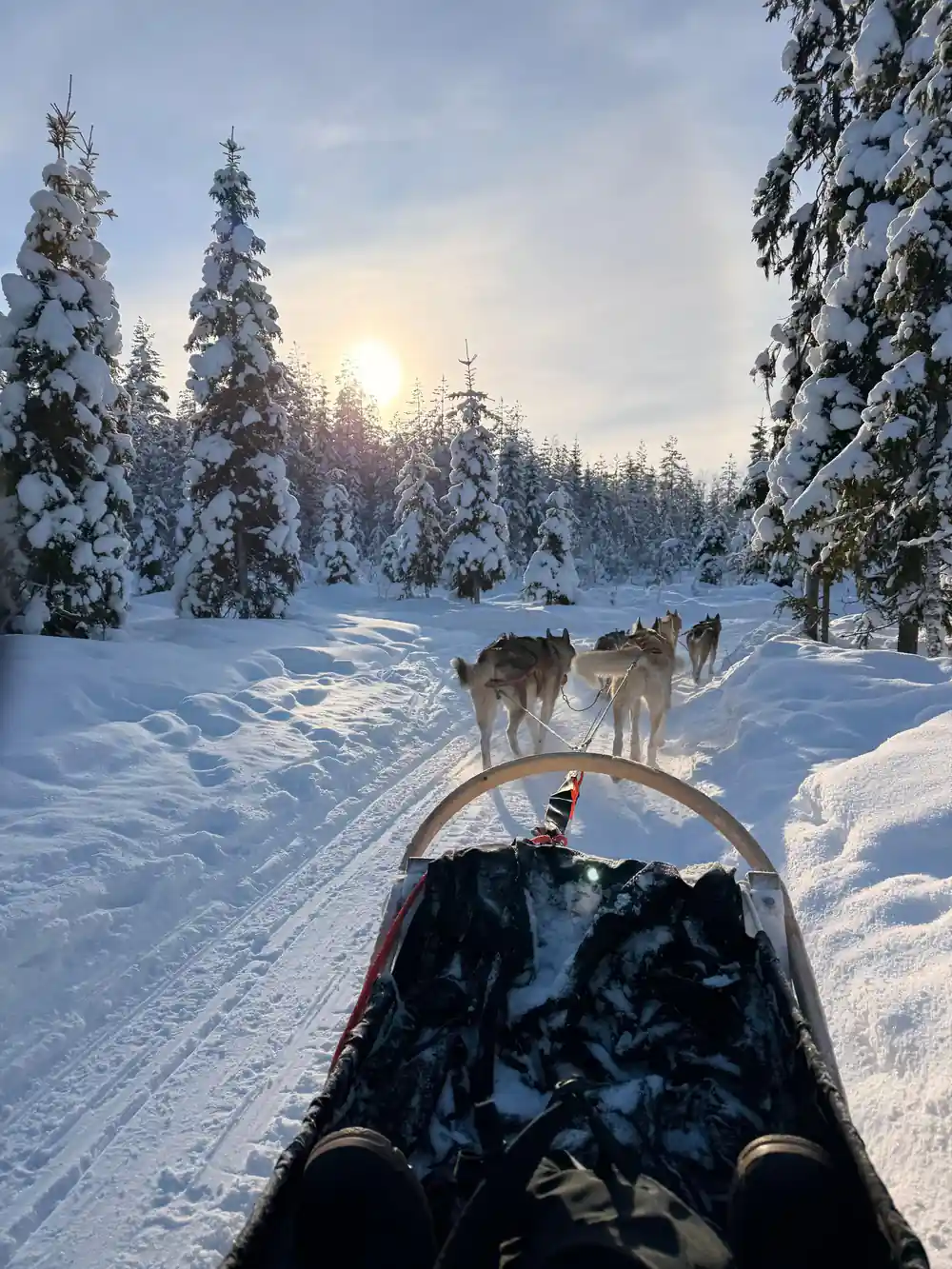
November typically brings the first significant snowfall to Rovaniemi, though depth can range from shallow cover to 10-15 cm depending on whether an early cold snap has arrived. By December, snow depth generally reaches 20-30 cm across the region, providing a stable base for sledding. January and February are the deepest snow months, often accumulating 30-50 cm or more, which creates the most dramatic winter landscape and the most responsive trail conditions for huskies.
Late February may see some settling and compression of the pack, but depth usually remains adequate. March brings variable conditions: early March can still offer 20-30 cm of good snow, but as the month progresses, warmer days and thaw cycles reduce depth and surface quality. If you prioritize the feel of deep snow and pristine trails, aim for January or early February when Apukka Finland's forests are at their whitest.
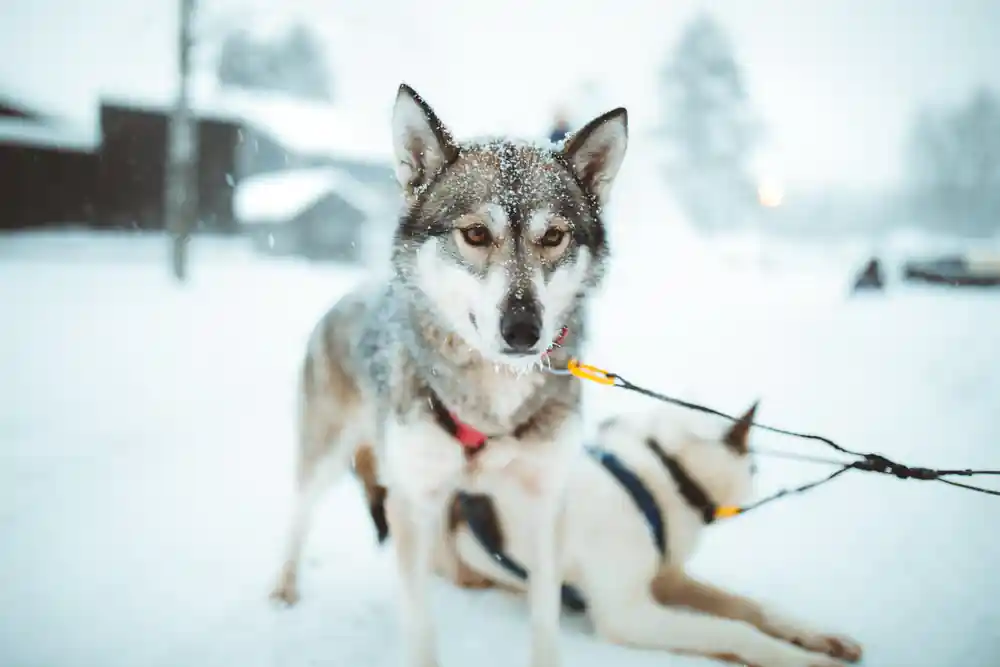
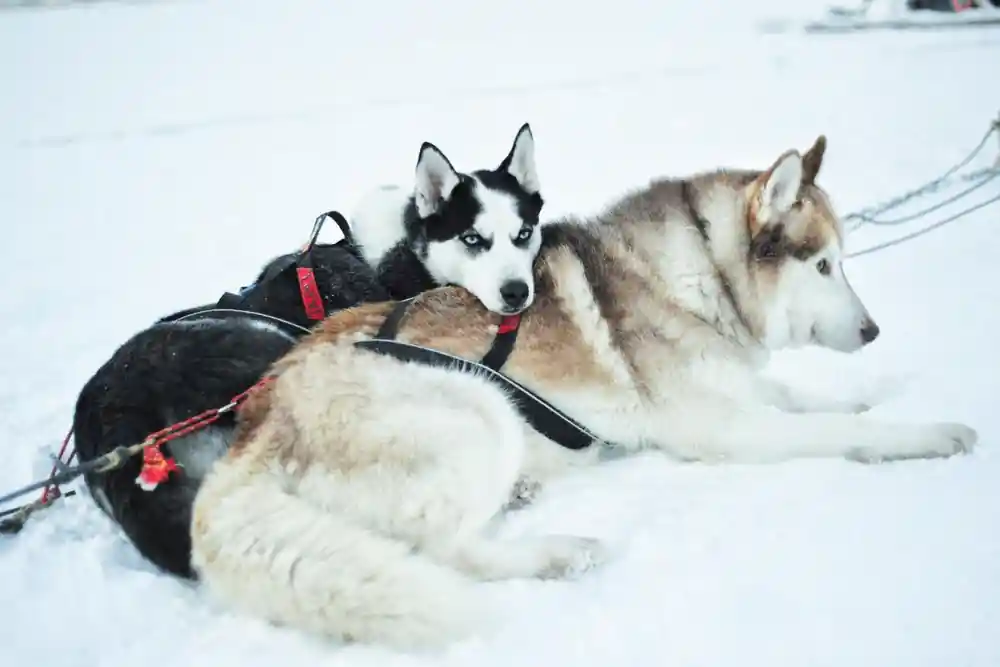
Temperature and Cold on the Trail
Rovaniemi experiences extreme cold in January and early February, when temperatures regularly drop to -15°C to -25°C and can plunge below -30°C on the coldest weeks. December is milder, typically between -5°C and -15°C. November and March hover around -5°C to -10°C on average, though early morning rides may be colder than midday. Cold air is dry in Lapland, so wind chill is generally less severe than the thermometer suggests, though exposed skin can freeze quickly.
The 3 hour 30 minute ride exposes you to these temperatures throughout, so the included winter clothing (thermal overall, thermal boots, woolen socks and mittens) is essential. Even when the mercury drops furthest, movement and activity keep you warmer than standing still. Dress in layers beneath the provided suit, and ensure your face protection is adequate. If you are sensitive to cold, December or March rides will feel more comfortable, though the coldest weeks of midwinter offer the sharpest, most crystalline conditions.
Daylight Hours and the Polar Night
November offers about 4-5 hours of daylight in Rovaniemi, December around 2-3 hours, and from late December through early January the sun barely rises above the horizon or remains below it entirely during the polar night. This period, lasting roughly three weeks around the winter solstice, means that even an afternoon ride can feel twilit or dimly lit. By late January, daylight begins returning: February brings 5-6 hours, and March reaches 8-10 hours.
An evening ride booked during the polar night may proceed in twilight or near-darkness, which creates an ethereal atmosphere but reduces visibility of the surrounding landscape. Conversely, rides during November or March occur in proper daylight (if booked in the morning) or golden afternoon light. If you want to see the forest and snow clearly, choose November or March. If twilight and the unique mood of Lapland's extreme seasons appeal to you, the December-January window offers an unforgettable, otherworldly experience.
4 h
At midwinter, you'll ride through just 2 - 4 hours of daylight across the Rovaniemi trails.
Northern Lights and Evening Rides
The northern lights, or aurora borealis, appear in Rovaniemi Lapland most frequently between September and March, with peak activity in December and January during the polar night. An evening husky ride during these months offers a genuine chance to witness the aurora dancing overhead as you travel across the snowy landscape with the dogs. However, the lights depend on solar activity and clear skies, neither of which is guaranteed. A night with heavy cloud, strong solar wind activity, or waning aurora intensity may yield no display at all.
Apukka's evening rides do not specifically market themselves as aurora-hunting tours, and the operator does not promise a sighting. If the lights appear during your ride, it is a profound bonus rather than an expected outcome. To maximize your chances, choose a ride in December or January on a night with a clear forecast. Keep realistic expectations: many people visit during peak aurora season and see nothing. The husky sledding itself, regardless of celestial activity, is the tour's main event.
Late Winter Thaw and Wet Conditions
March brings rising temperatures, and by late March daytime highs can approach freezing or exceed it. Warm spells bring rain rather than snow, and the accumulated pack begins to soften and rot. Wet, heavy slush and exposed ground patches become common as the season approaches its end. These conditions make for heavier sledding, reduced speed, and a muddier, less picturesque ride than the crisp conditions of midwinter. The dogs work harder, and the experience loses some of its magic.
If thaw and wet conditions develop early in your visit, Apukka may suspend or modify rides until conditions stabilize. Late March is the riskiest month for weather disruption. To avoid uncertainty, book your ride by mid-March at the latest, or choose an earlier month. February and early March offer a balance: still plenty of snow, daylight is returning, and thaw is not yet a serious threat.
Early Versus Late Winter: Trail Conditions and Experience
Early winter (November to mid-December) features snow that is newer, often powder or lightly packed, which creates a quieter, crisper ride. Temperatures are moderate relative to January's extremes, making the experience more comfortable for those unused to severe cold. Daylight is still plentiful, so you see the forest, the dogs, and the landscape clearly. The drawback is that snow depth may be shallow, and trails are not yet as established, so the ride can feel less smooth. November especially may see inconsistent coverage.
Late winter (January to early February) brings the deepest snow, the most extreme cold, and the sharpest edges to the season. Trails are thoroughly packed and fast, the dogs move with practiced rhythm, and the journey feels more intense and immersive. Daylight is down to a couple of hours around midday, so the ride occurs in twilight or darkness, lending a surreal, intimate quality. This period is the peak season for aurora and the truest embodiment of Rovaniemi's arctic character, but it demands robust tolerance for cold. Mid-winter, from late November to late December, splits the difference and suits most riders.
Pick your perfect winter: snow depth, cold, and light
from US$253Reserve now & pay later