The quick version
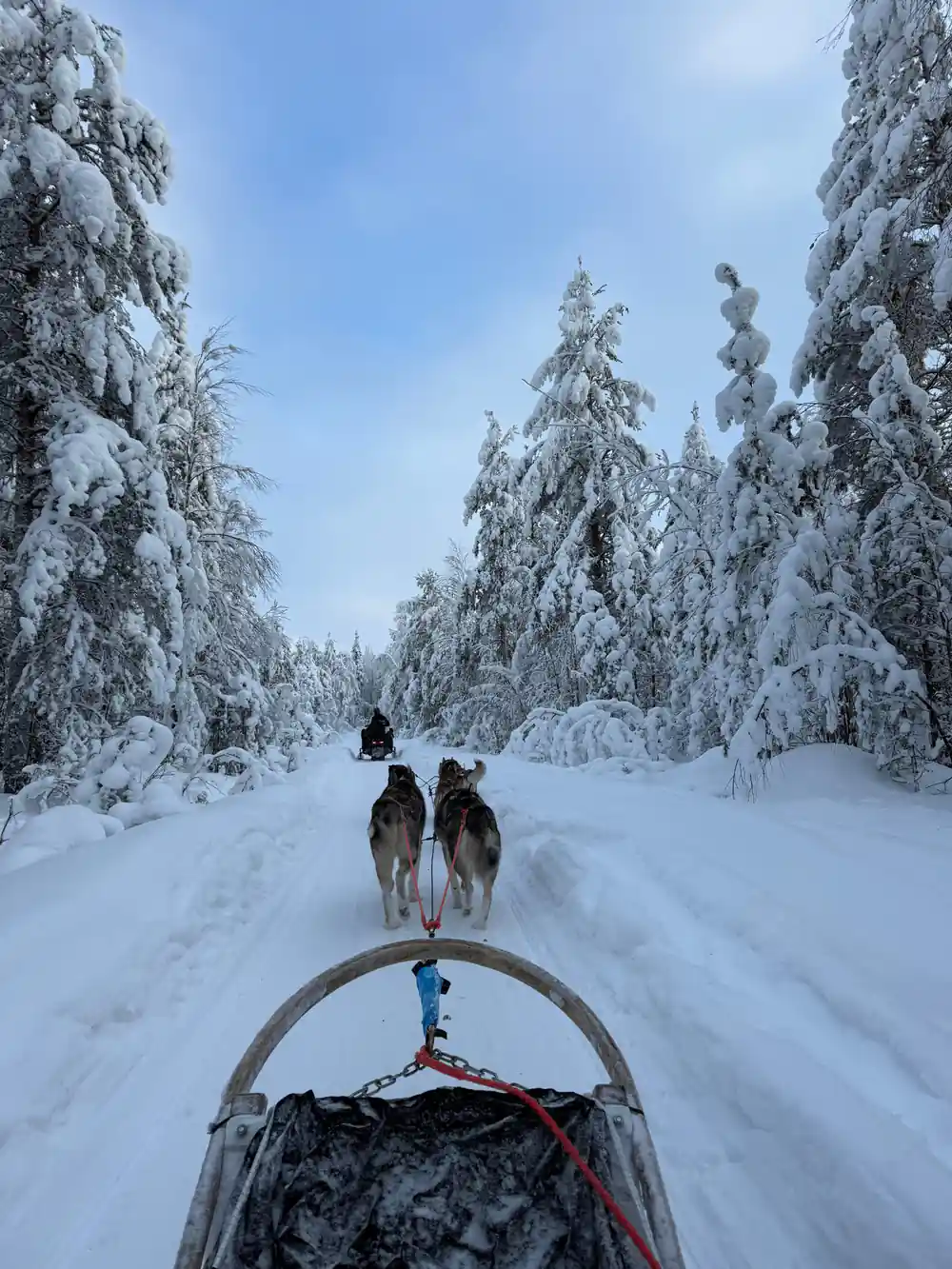
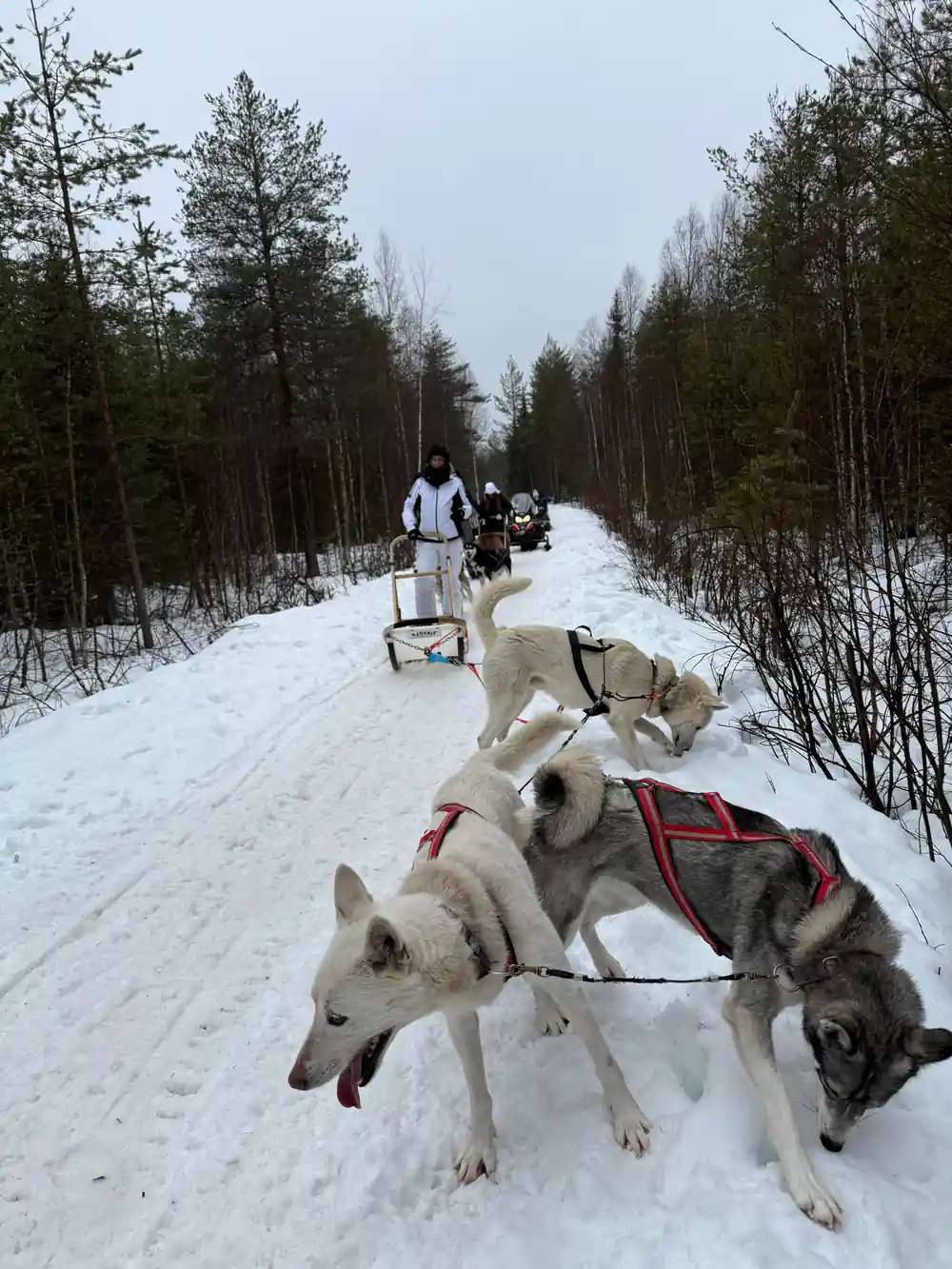
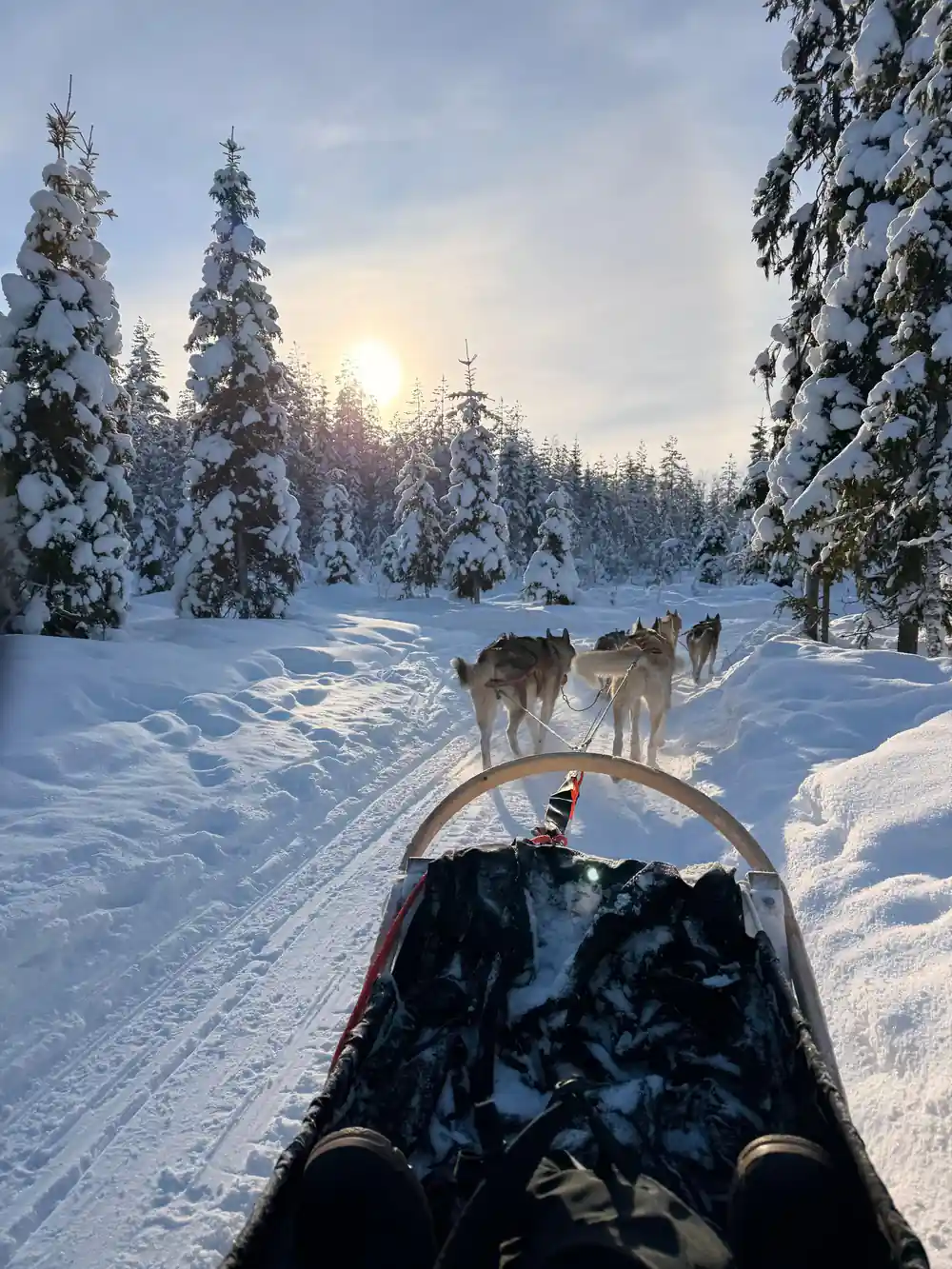
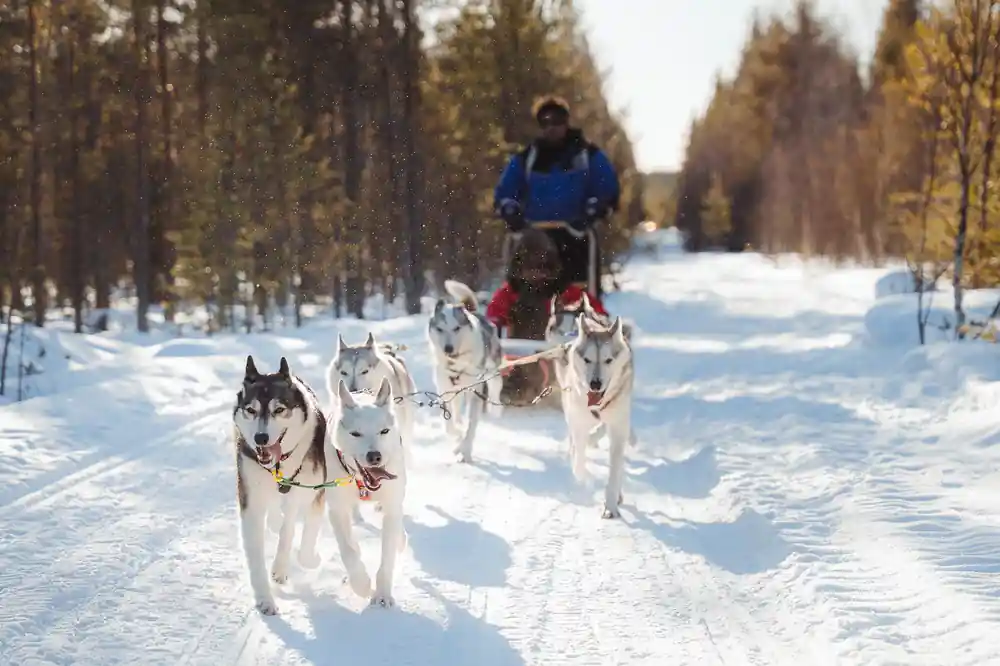
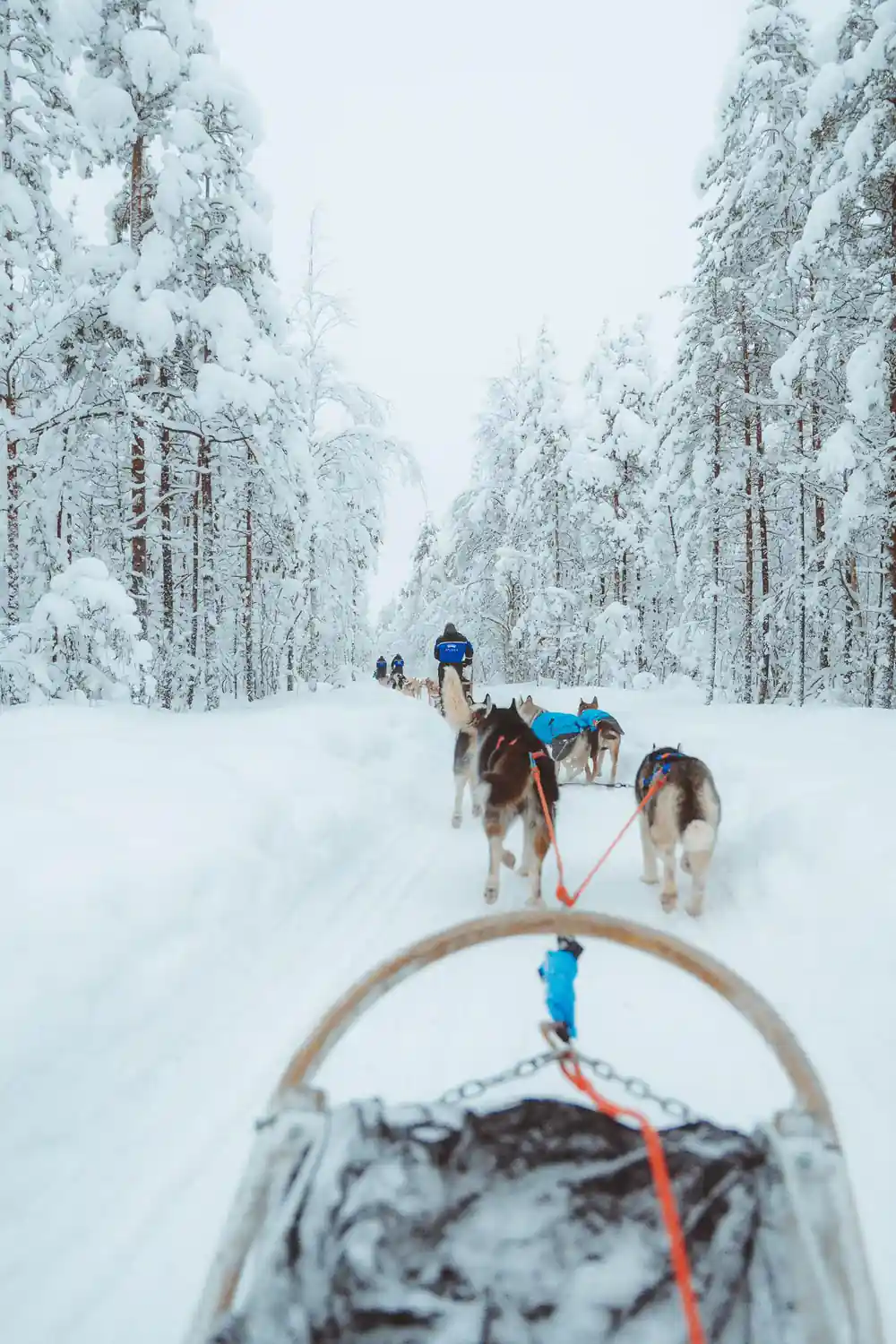
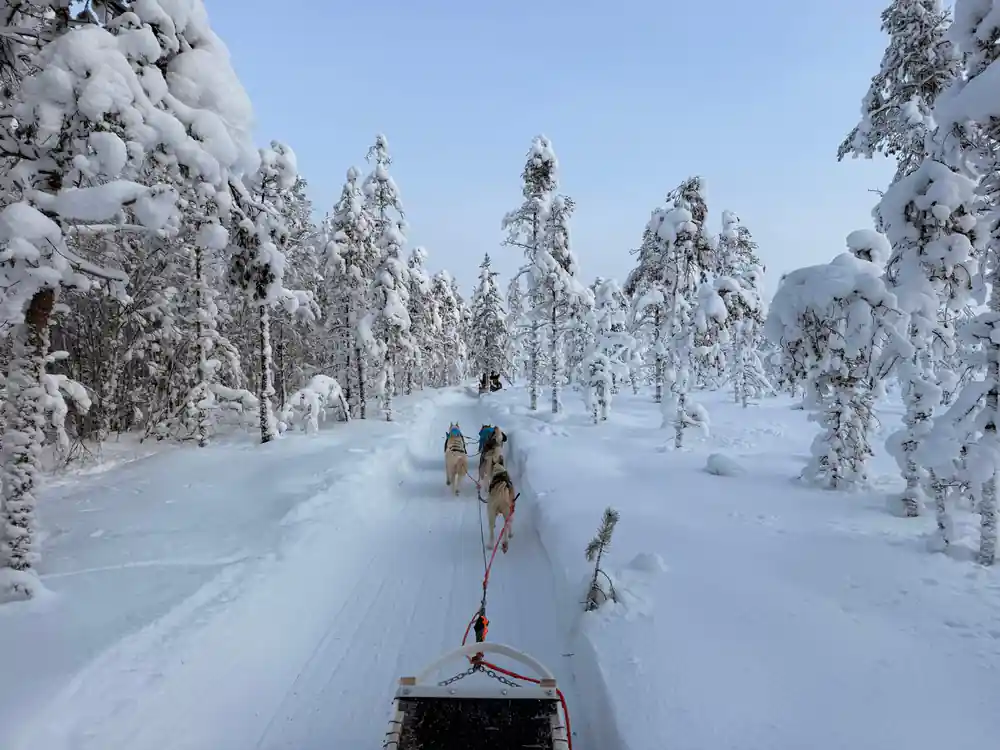
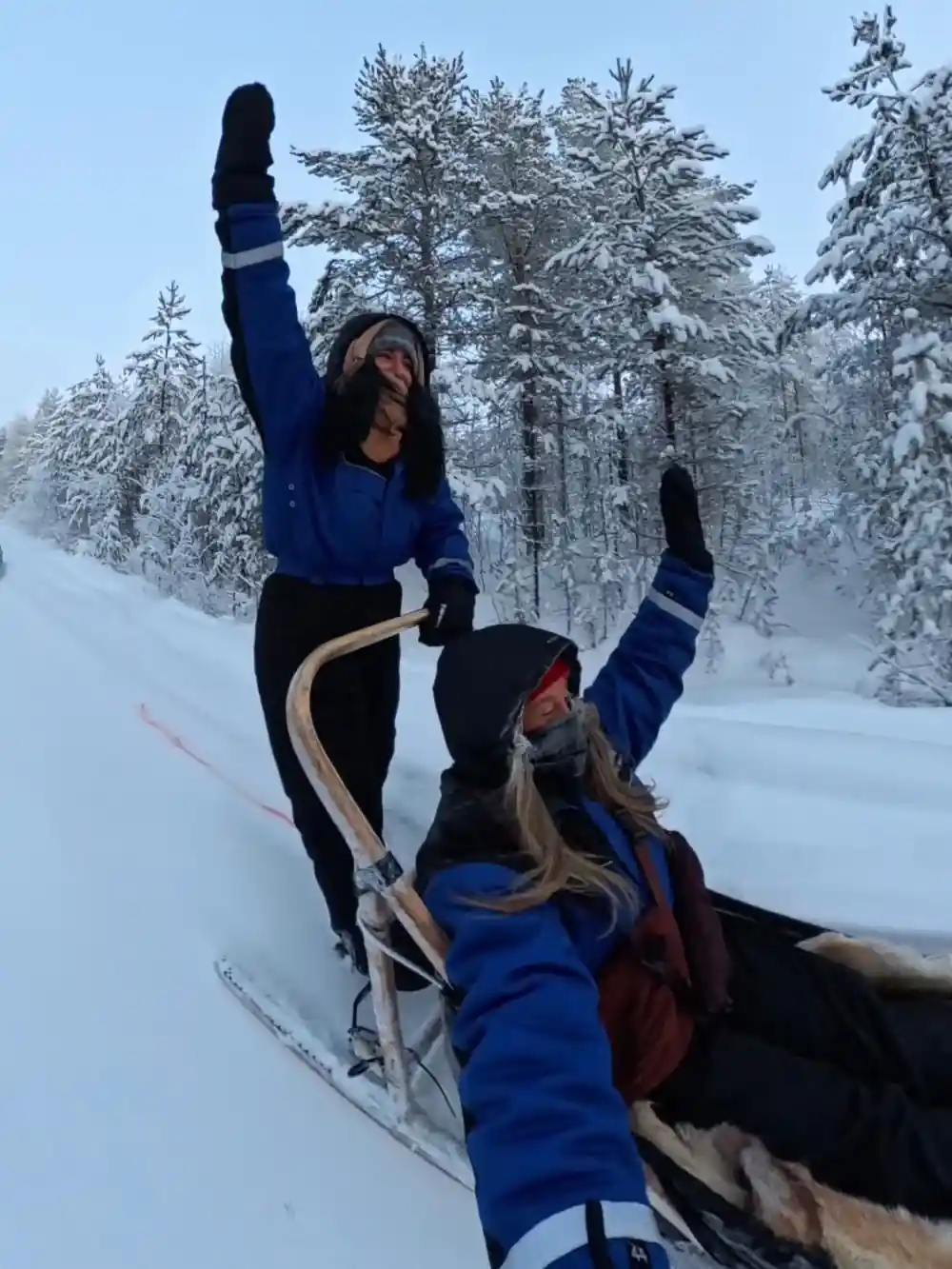
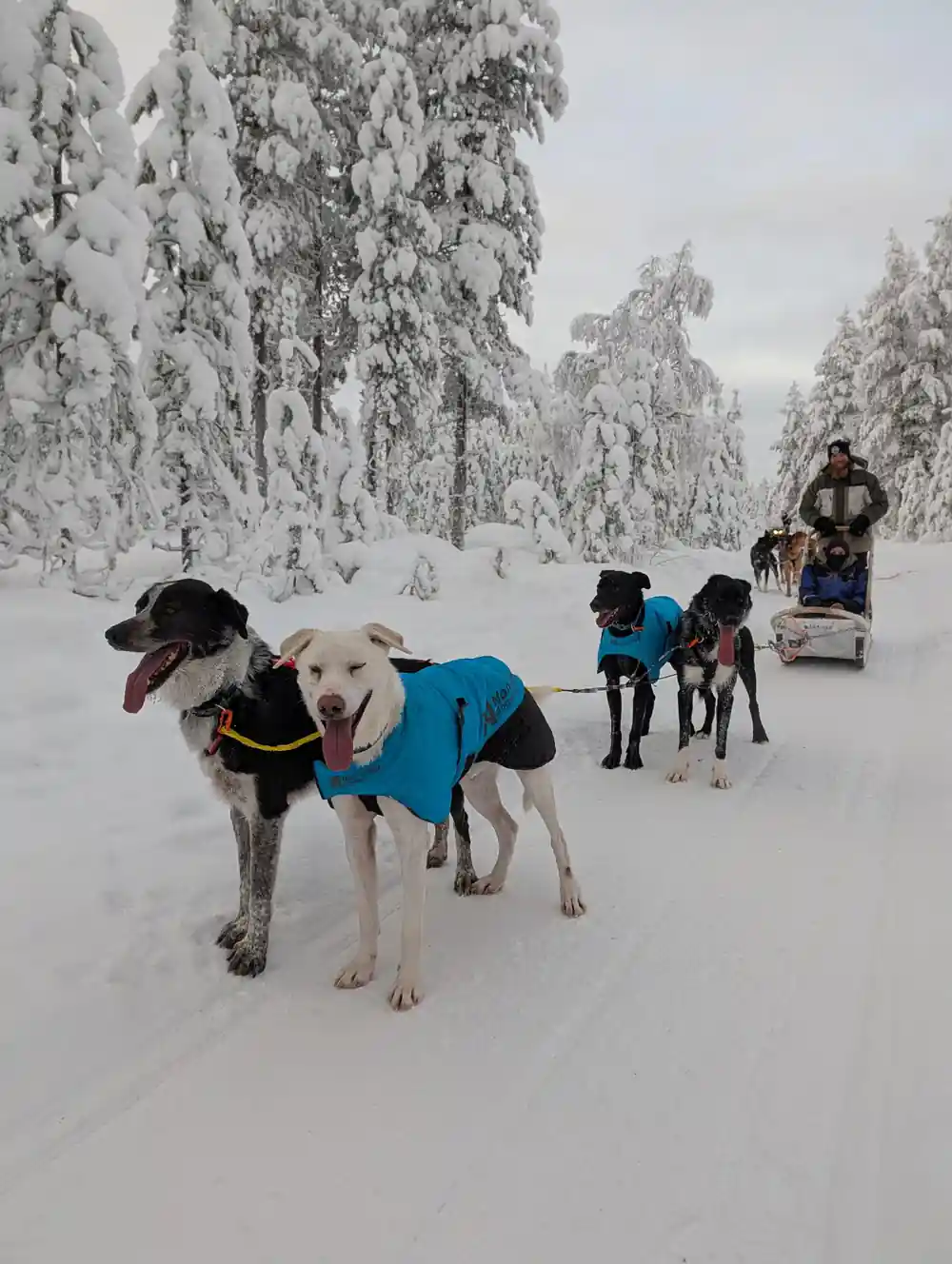
- Take the reins of a husky team across 6 km of snow-blanketed forest. You drive; the dogs know the way through the silent winter wilderness.
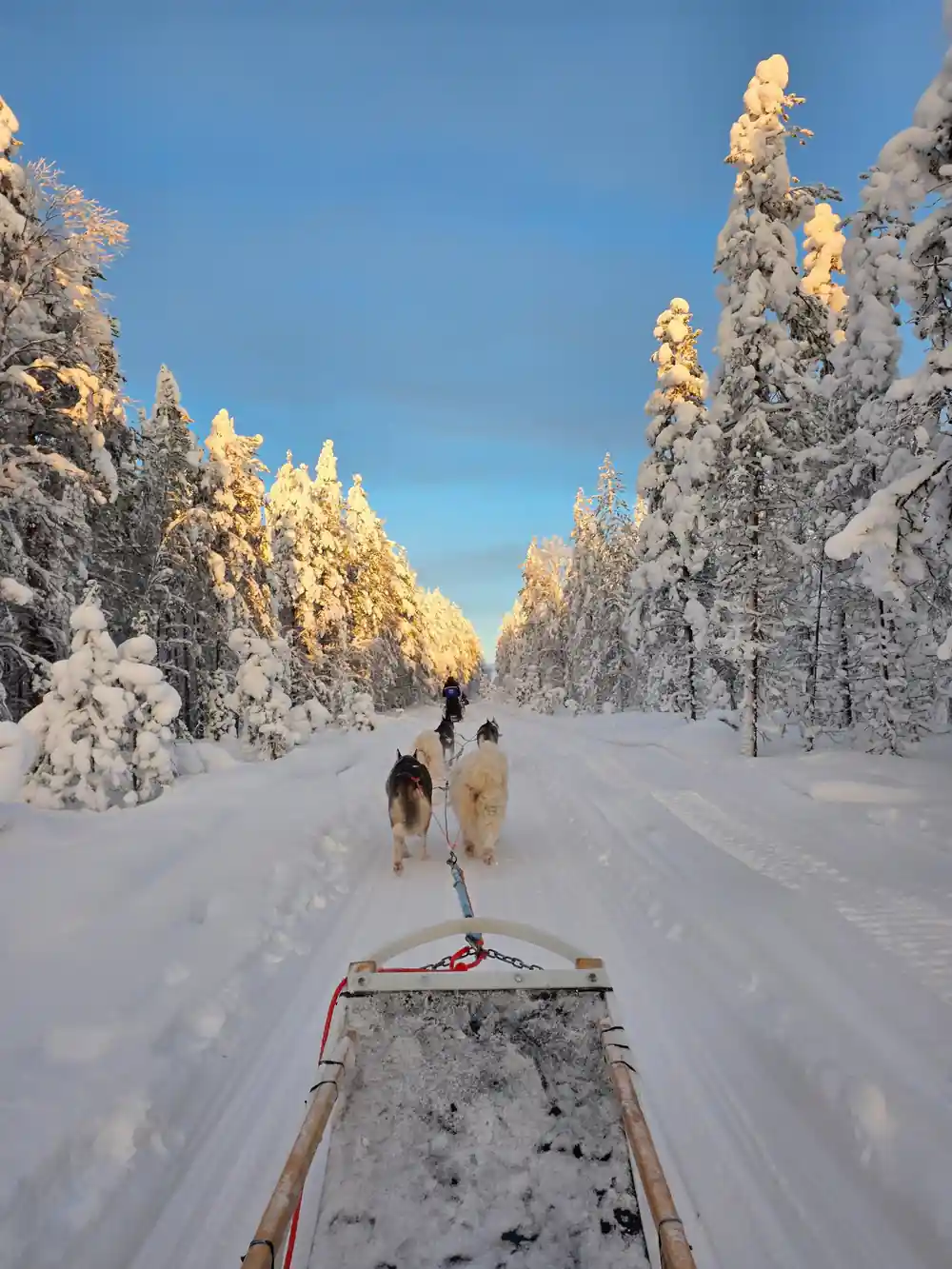
- Experience the Arctic's unique winter light: a twilight glow that turns the snow-laden landscape into something between dream and reality, hour after hour.
- When the sled runners settle and the dogs quieten, the forest becomes utterly still. That silence is the sound of the Arctic itself.
- A hot drink awaits you by the fire at day's end. The warmth against your face and hands transforms how you feel the entire journey.
- From pickup to drop-off, you have 3h30 to live the mushing dream. Winter clothing provided; all transfers arranged from Rovaniemi centre or Santa Claus Village.
Snow-Buried Forest in Polar Twilight
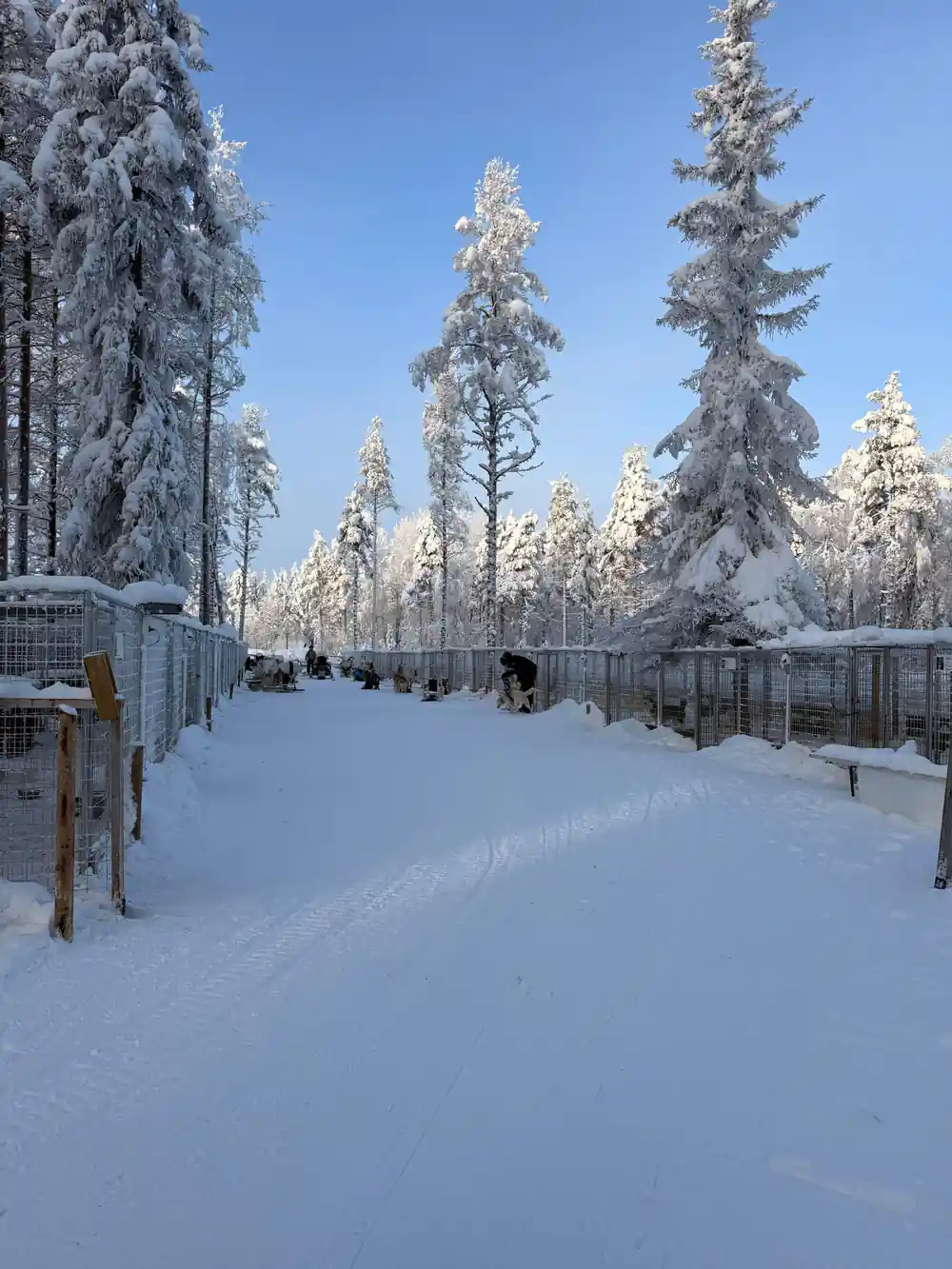
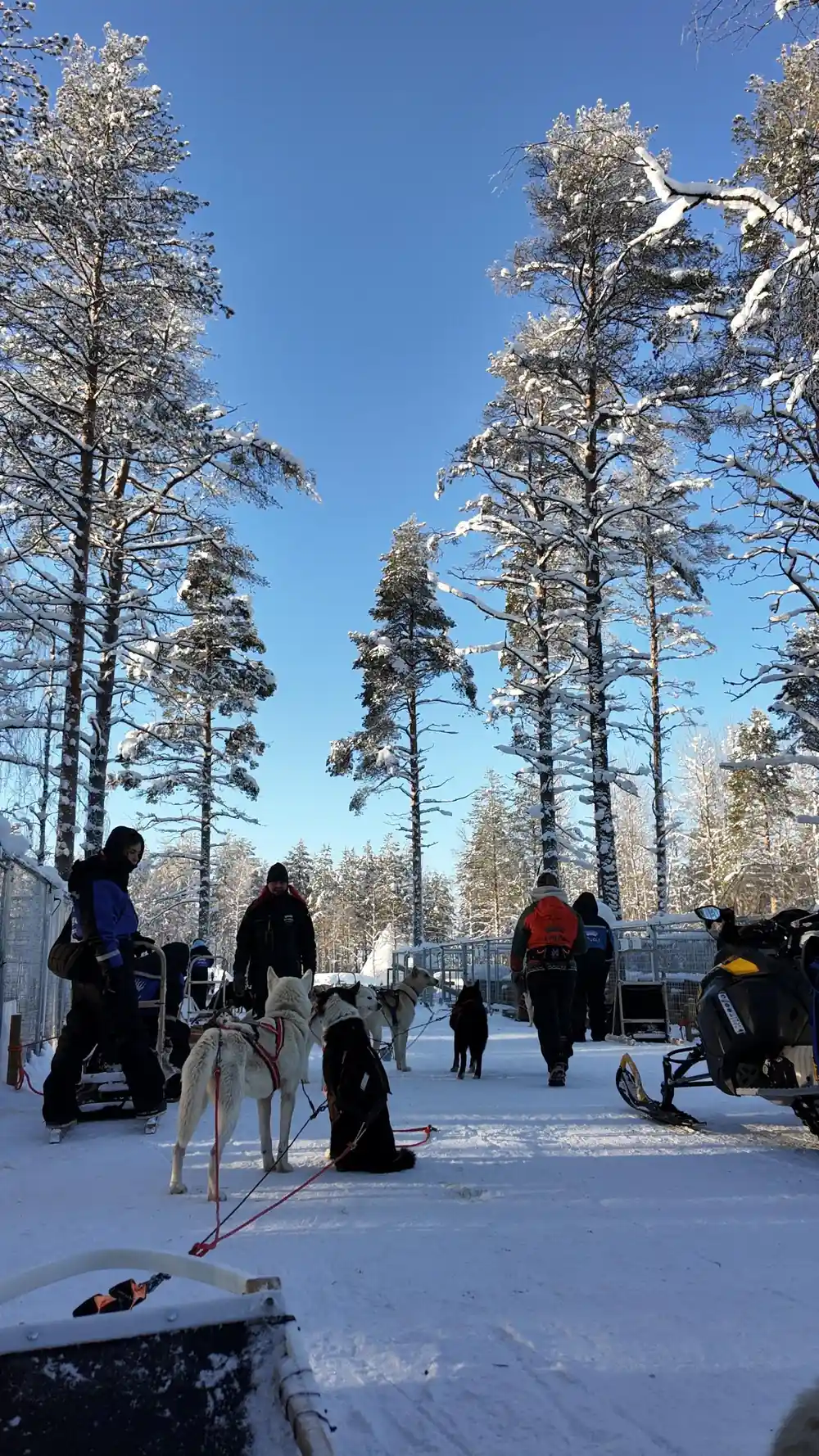
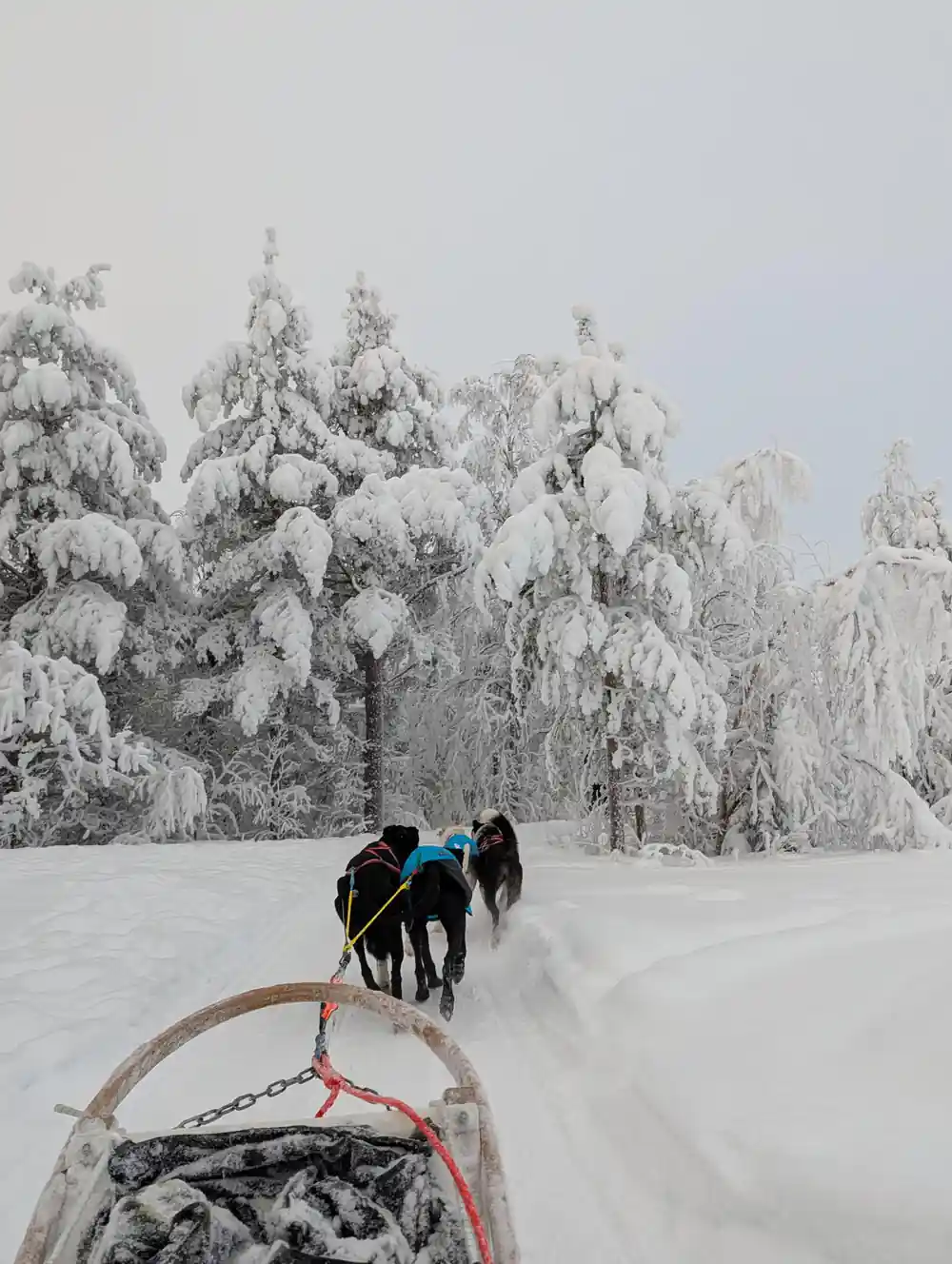
The winter forest around Apukka Resort transforms entirely under deep snow. Pine and birch trees bow under the weight of accumulated ice crystals, their branches drooping in soft sculptural shapes that only form in extreme cold. This is the boreal zone at its quietest: no birdsong, no rustling undergrowth, just the compressed white silence that Lapland's interior becomes when temperatures drop below minus 20 degrees Celsius. The 6 km trail winds through this altered landscape, where the familiar becomes almost unrecognizable.
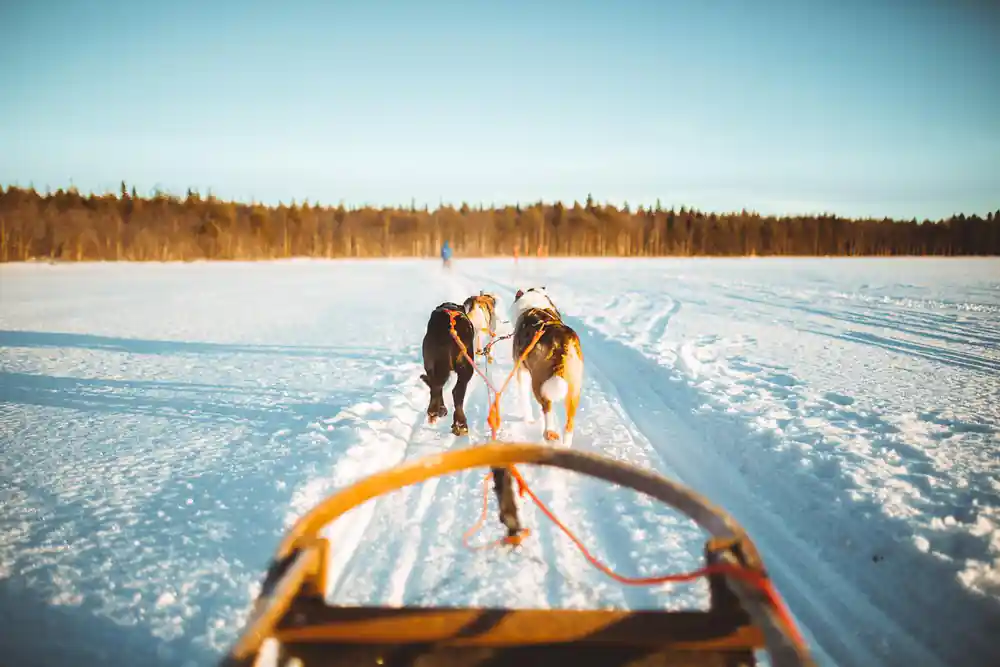
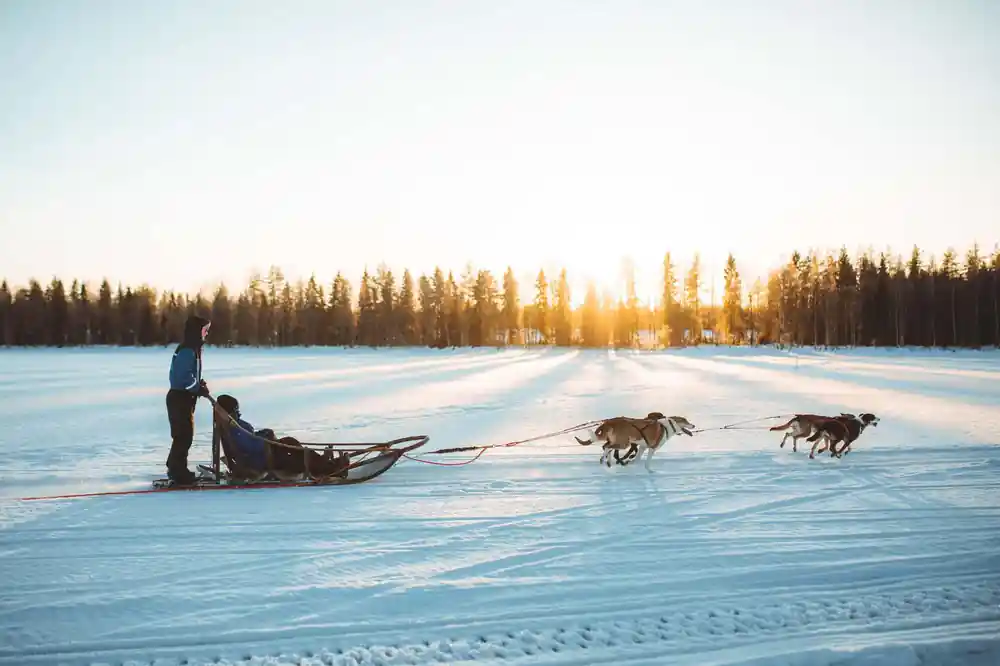
The light during winter mushing differs from any other season. In December and January, Rovaniemi sits near the Arctic Circle at roughly 66.5 degrees north latitude, where the sun barely clears the horizon. This creates the blue hour effect for hours at a time: a luminous twilight that casts everything in cool, ethereal tones. Snow-covered ground reflects what little sunlight exists, creating a glow that seems to emanate from the landscape itself rather than from above. Shadows stretch long and blue across drifts, and visibility remains clear enough to see details but soft enough to feel dreamlike.
The Moment the Huskies Go Silent
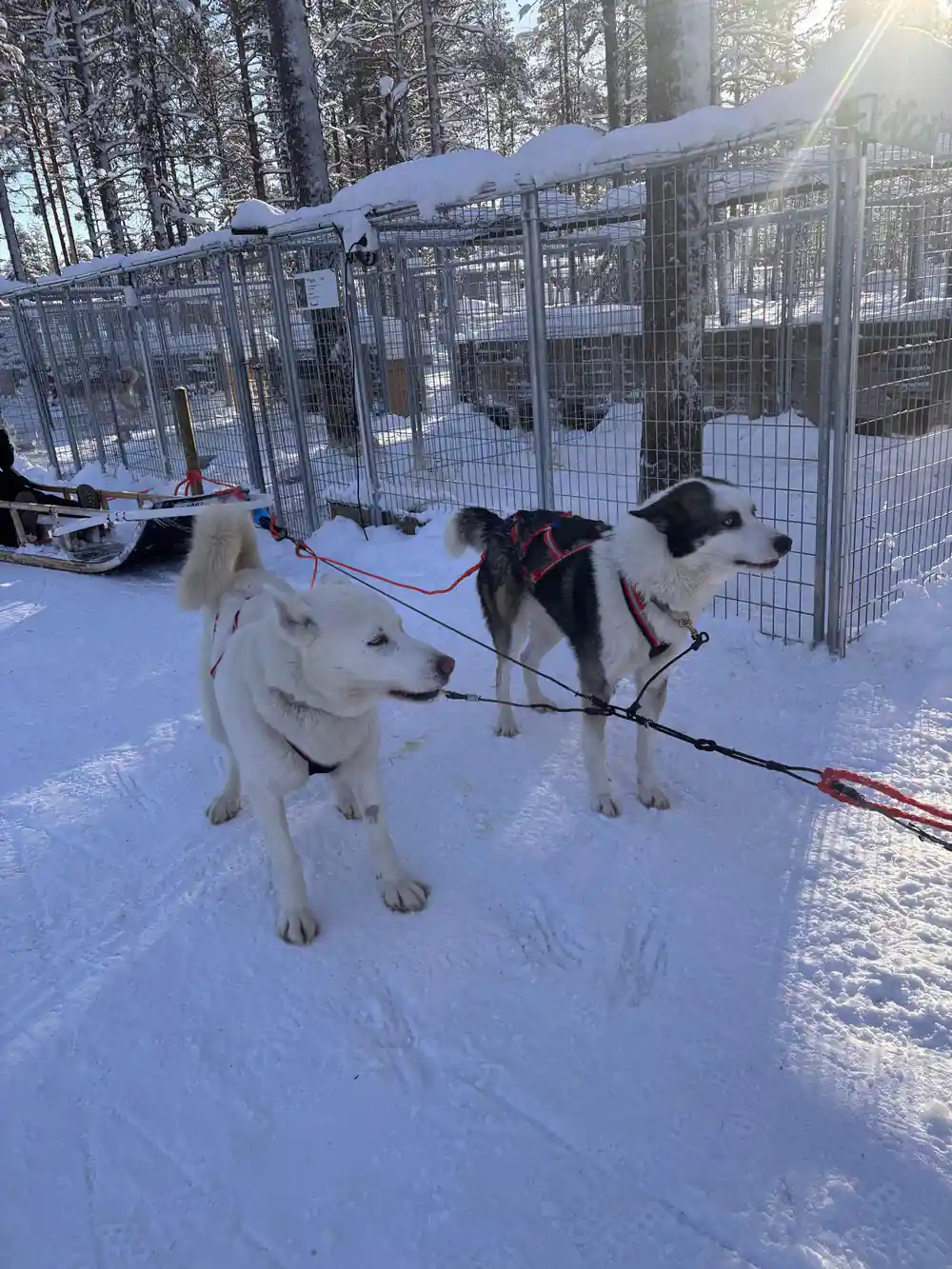
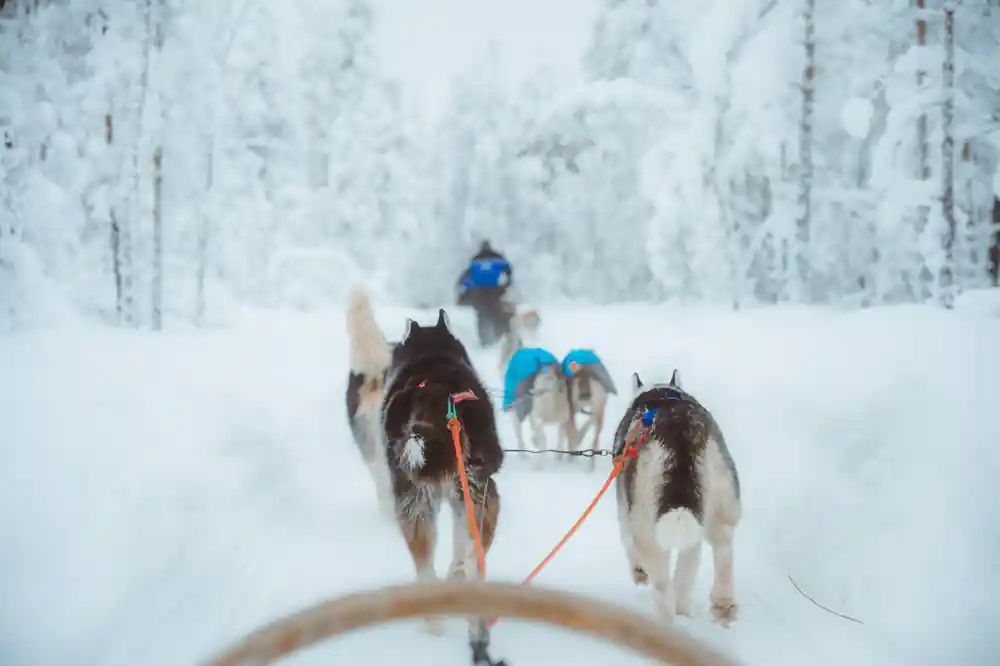
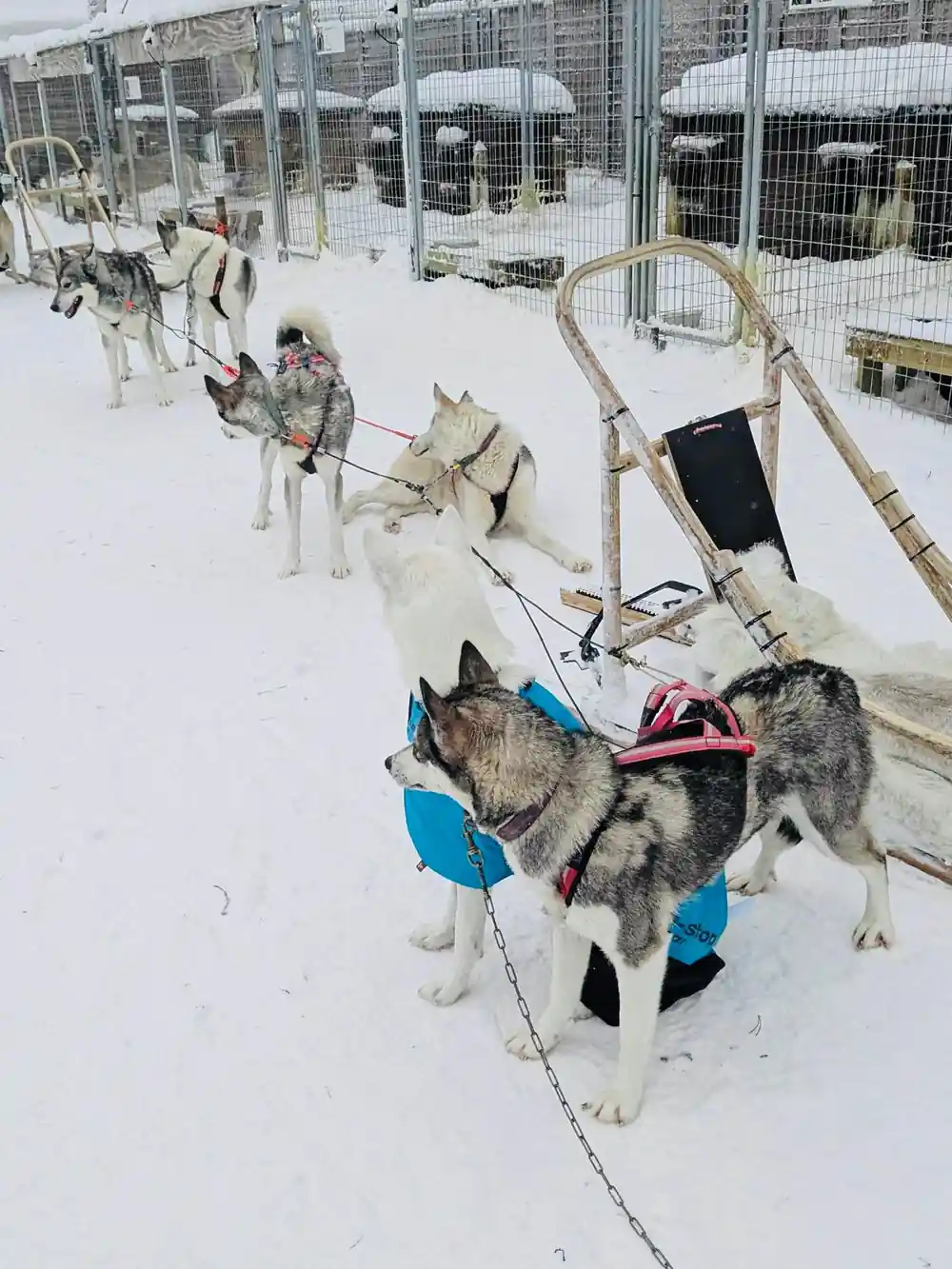
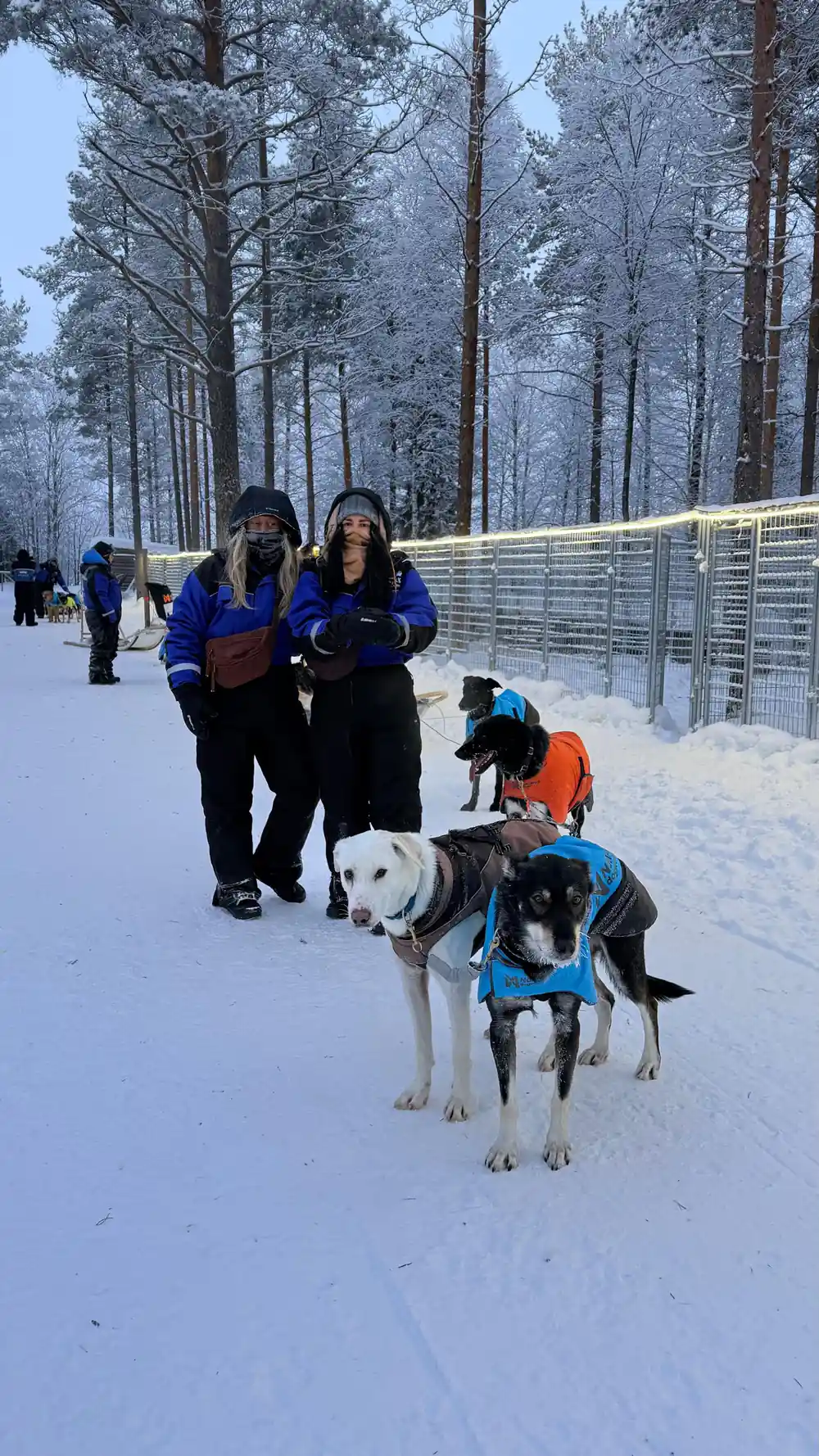
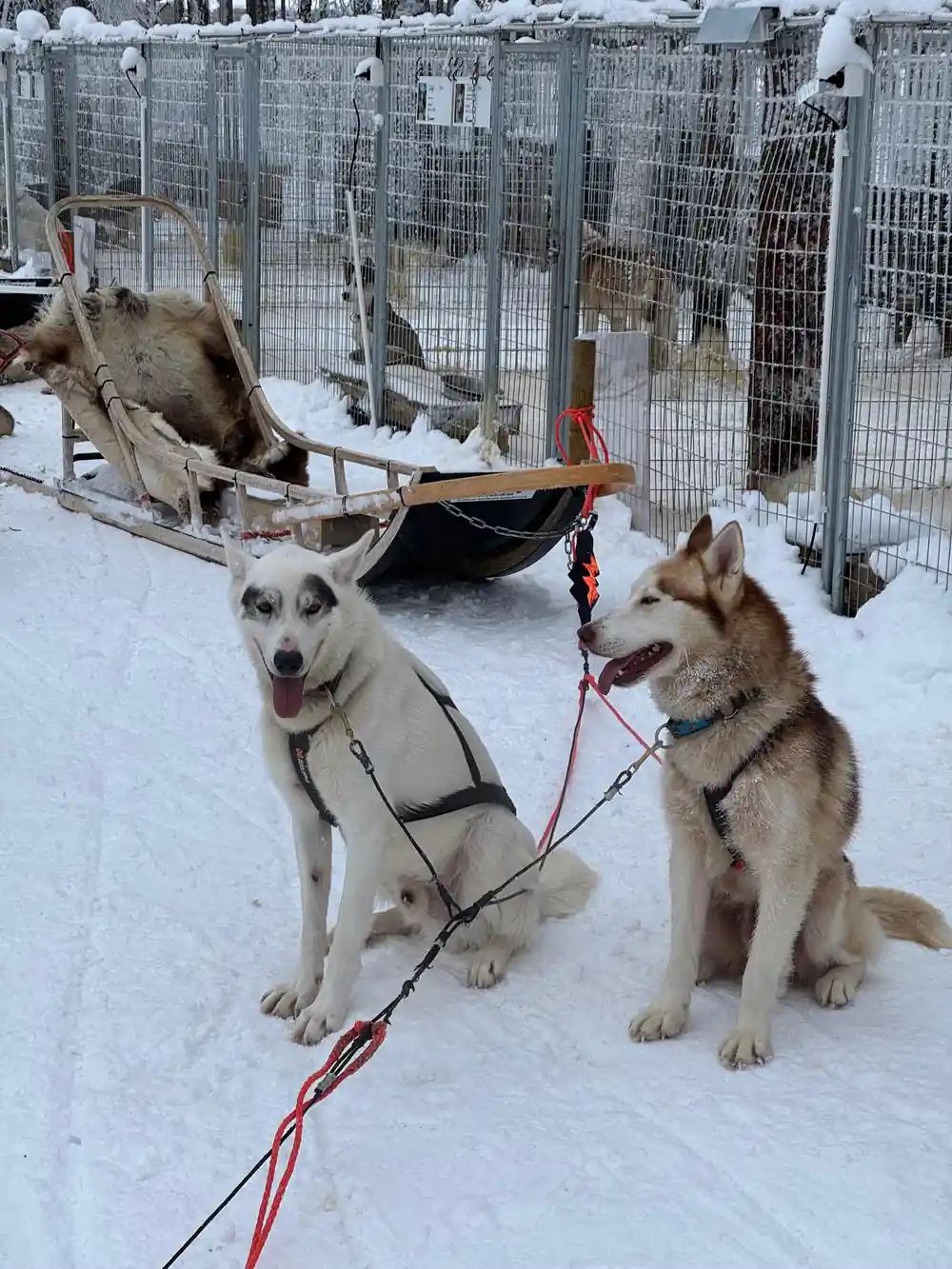
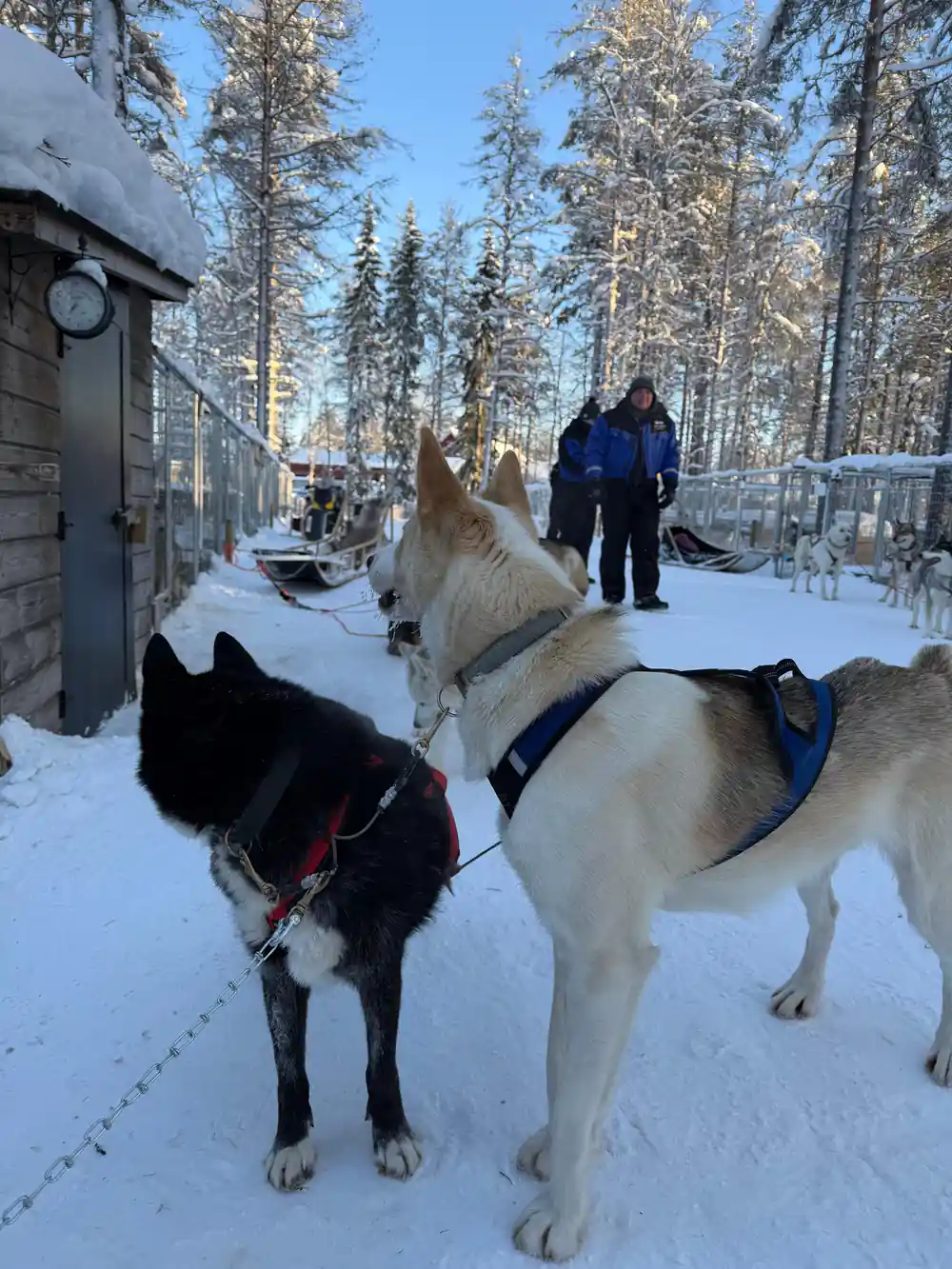
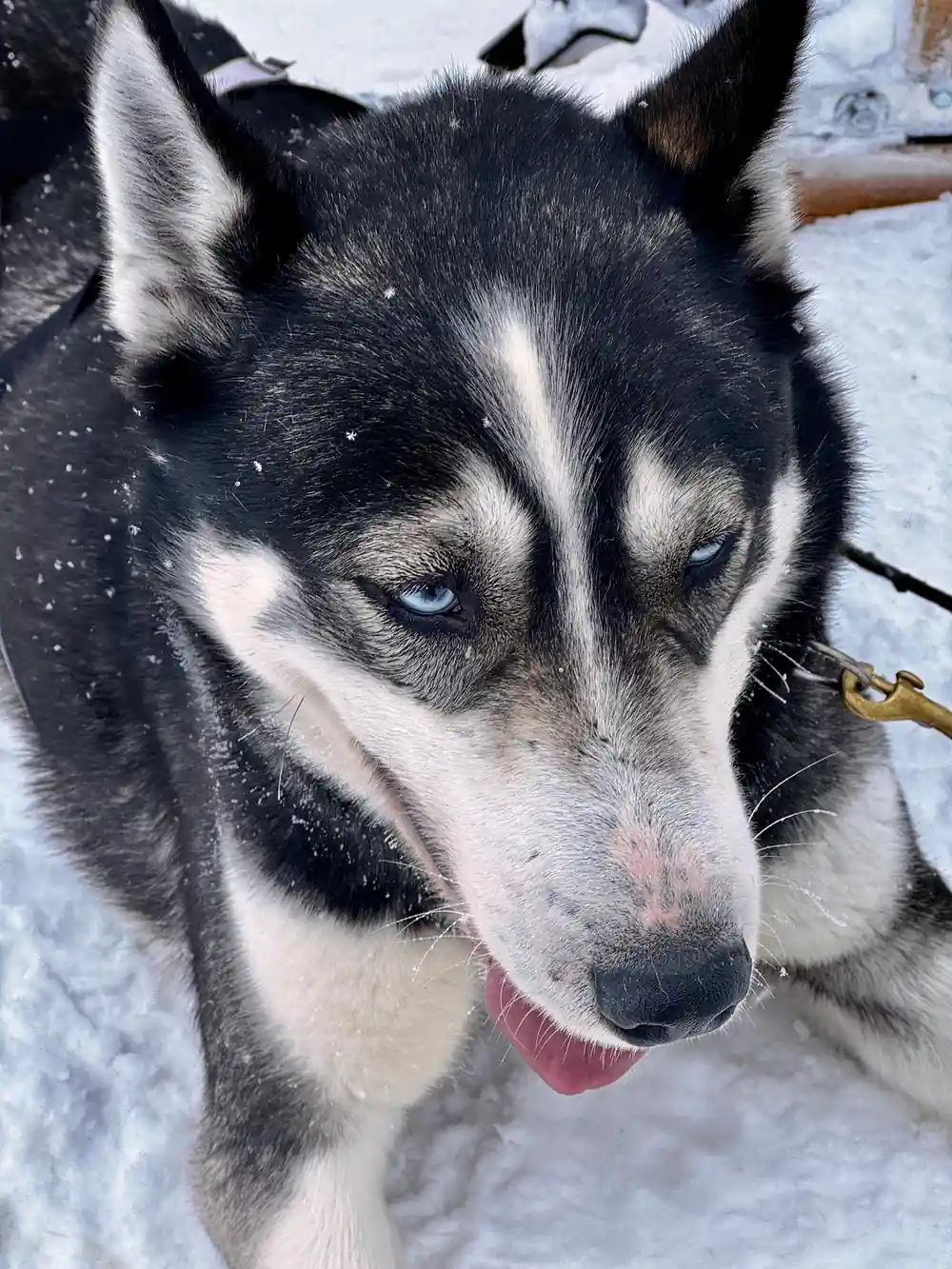
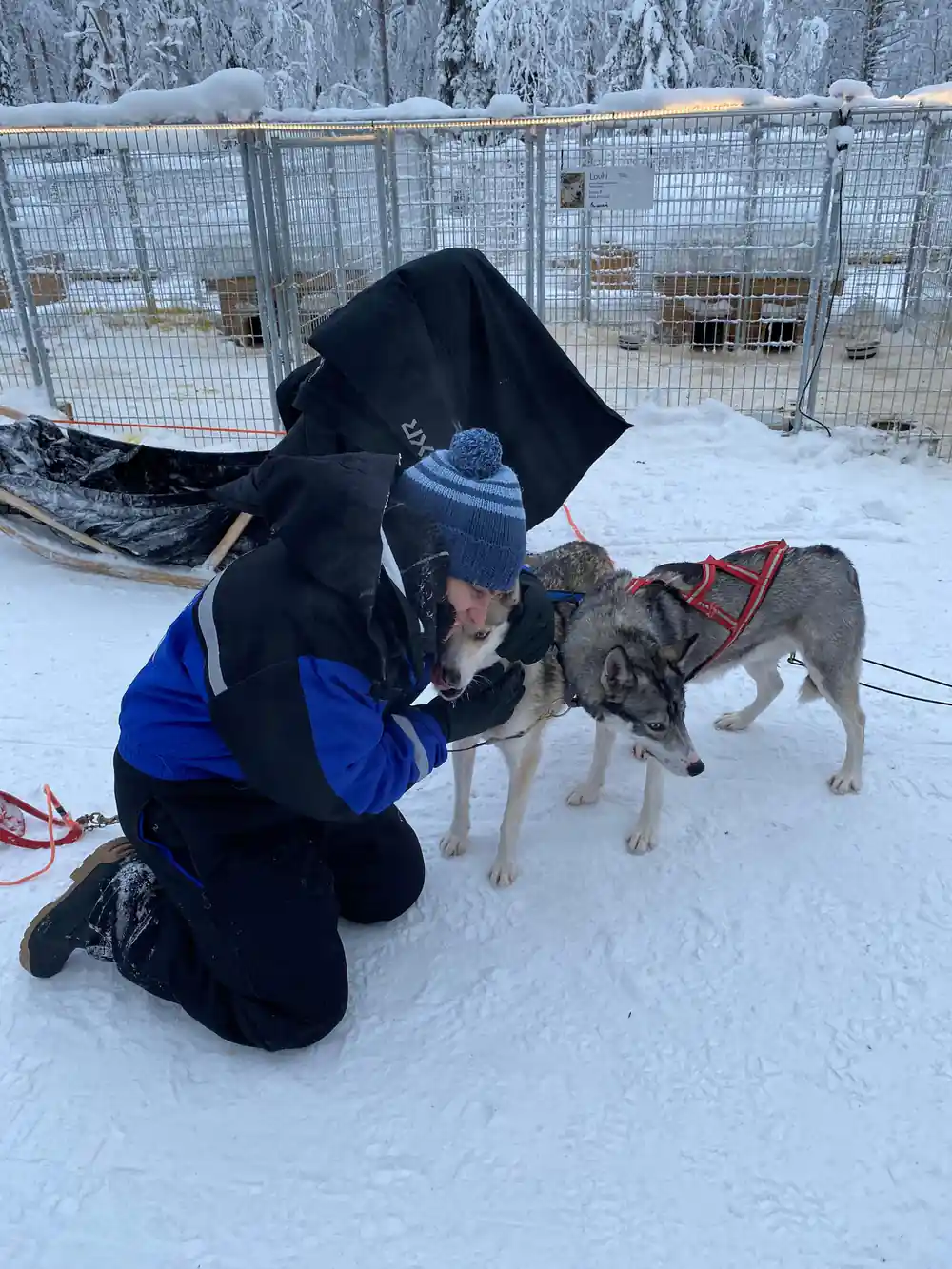
During the first kilometers, the sled team barks and strains against their harnesses, excited by the prospect of running. The noise is substantial: six dogs vocalizing their eagerness, the creak of the wooden sled, your own breathing amplified by the cold. Then, a few minutes into the run, the dogs settle into their pace. Their focus narrows entirely to the trail ahead. The barking stops abruptly. What remains is the high-pitched hiss of the sled runners cutting through compressed snow, the rhythmic panting of the team, and the wind. This transition to silence is what many participants describe as the turning point where the landscape fully enters their consciousness.
Sled Dogs in Lapland: Transport Before Snowmobiles
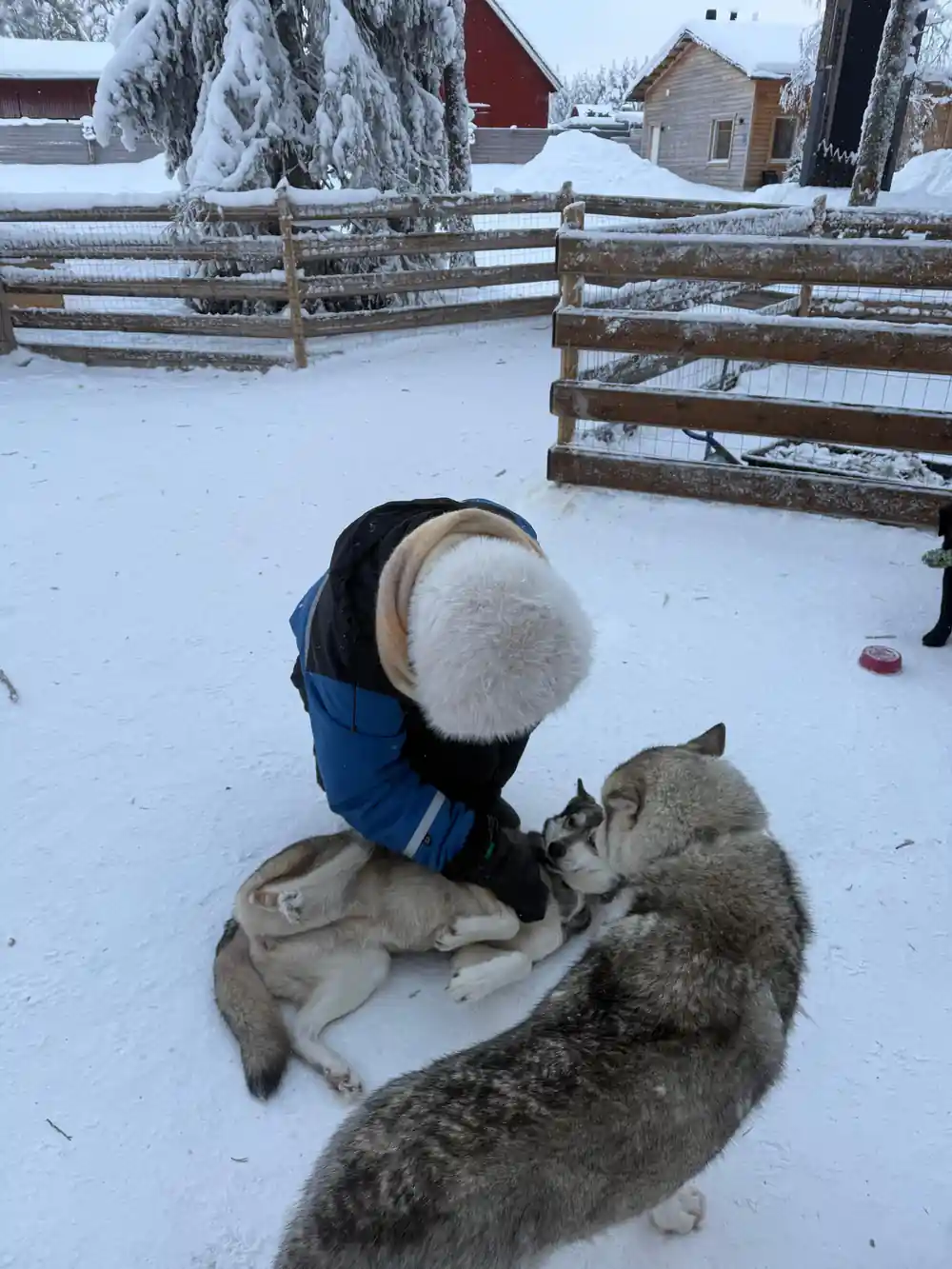
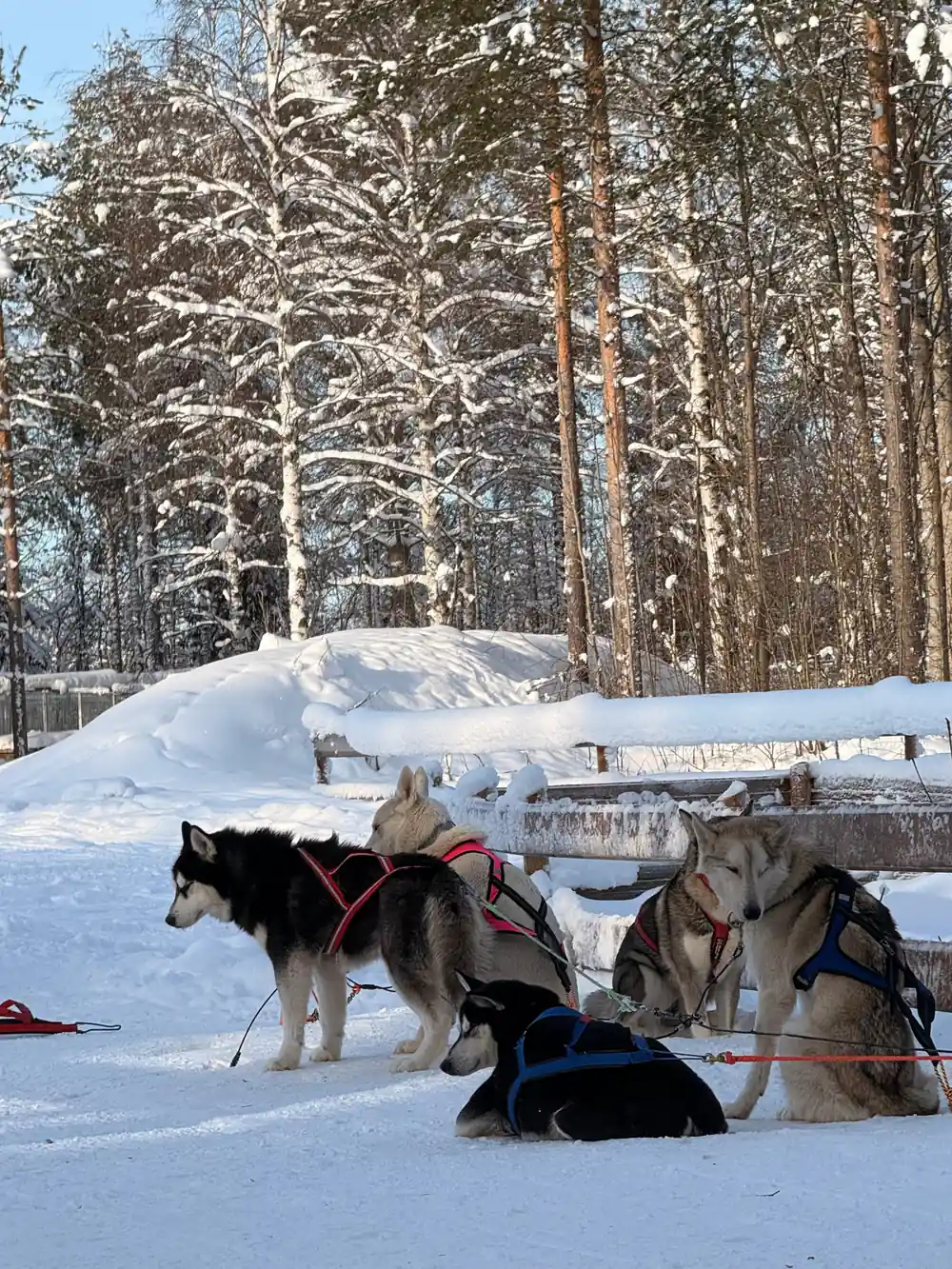
Dog sledding in Lapland stretches back over a century, rooted in the practical needs of a region where winter isolation was absolute. Before the arrival of motorized transport in the mid-twentieth century, sled teams were the primary way to cover long distances across frozen terrain. Herders, traders, and mail carriers depended on well-trained dogs to navigate between settlements through months when roads disappeared under snow. The routes they traveled often followed the same paths that modern tour operators use today, creating a continuity between historical necessity and contemporary experience.
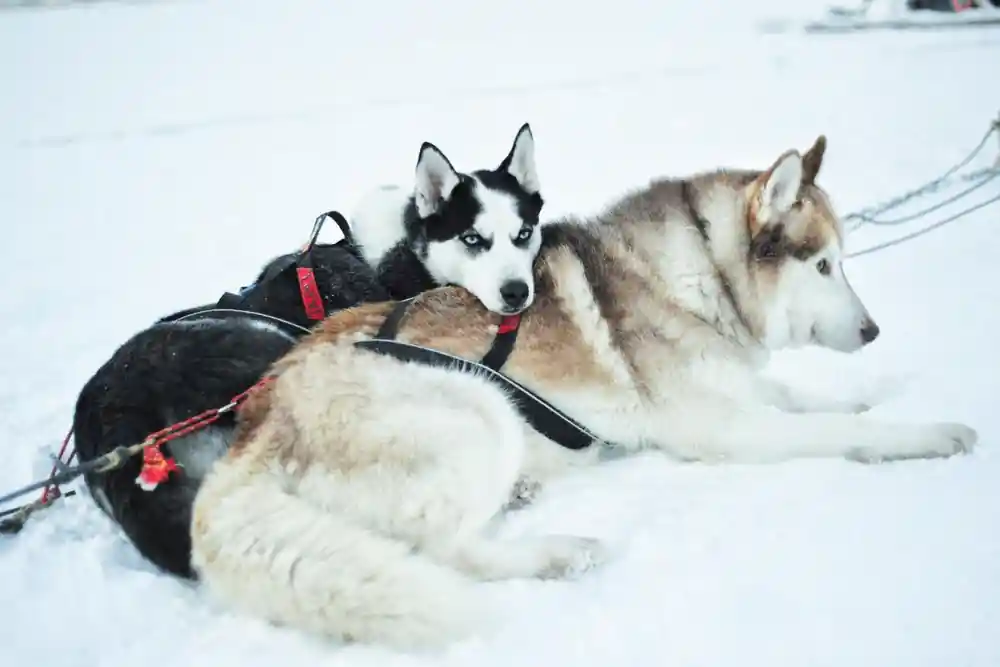
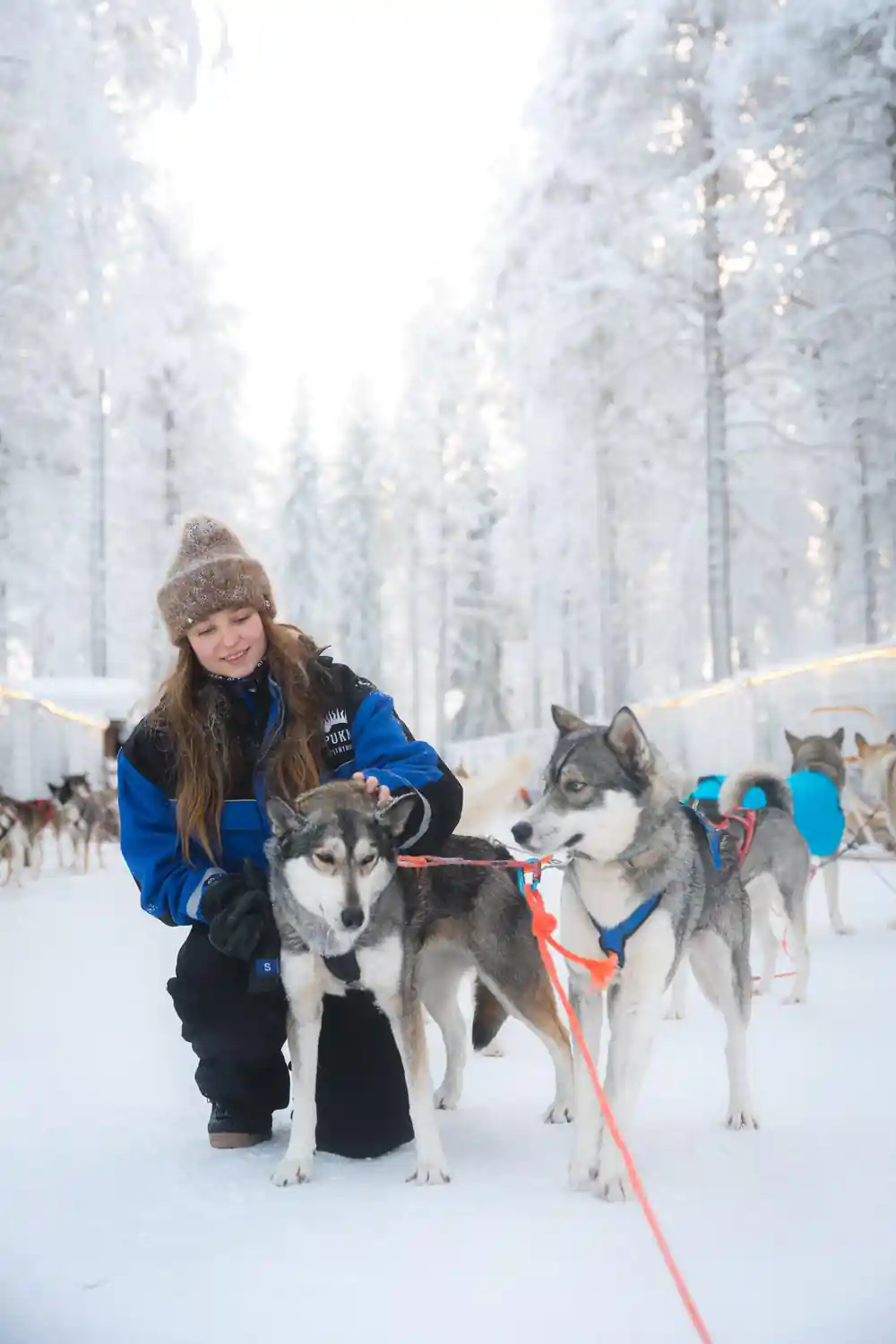
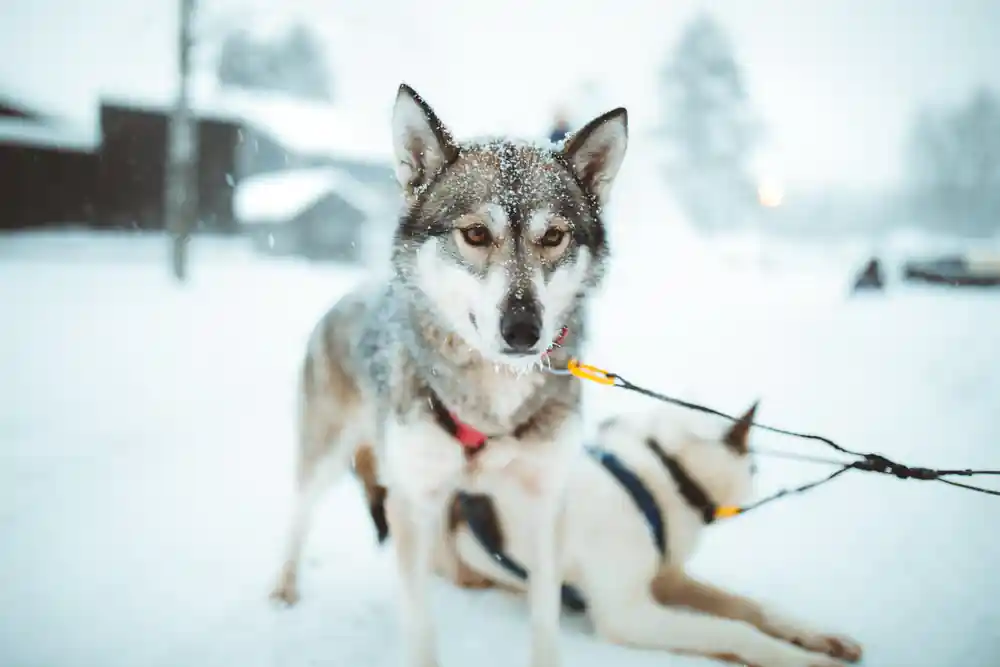
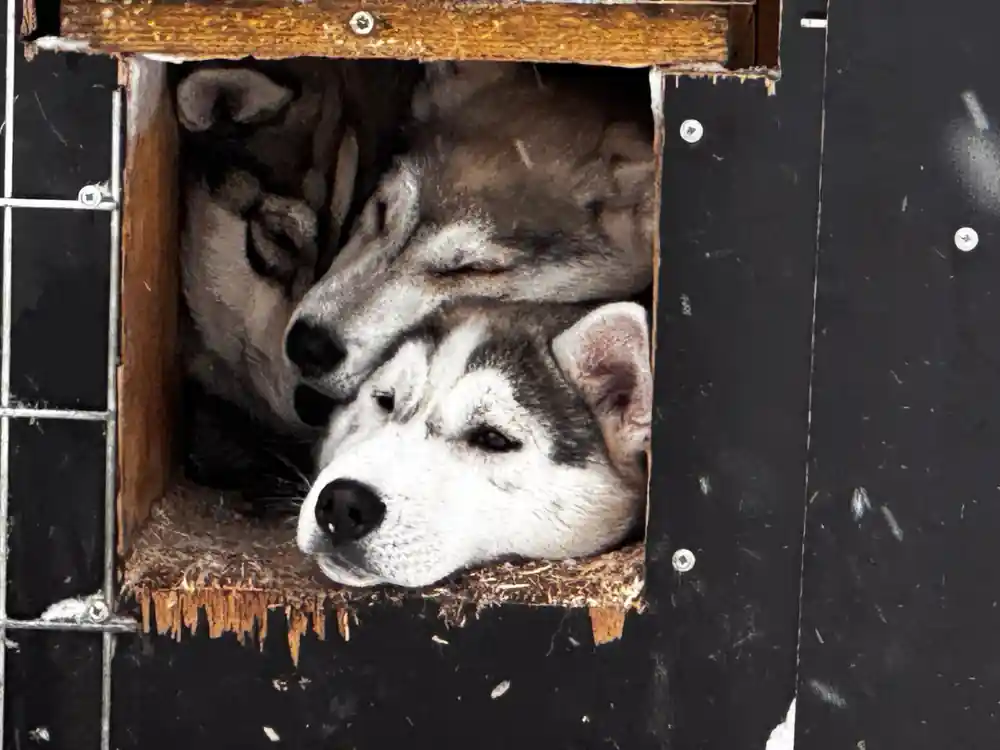
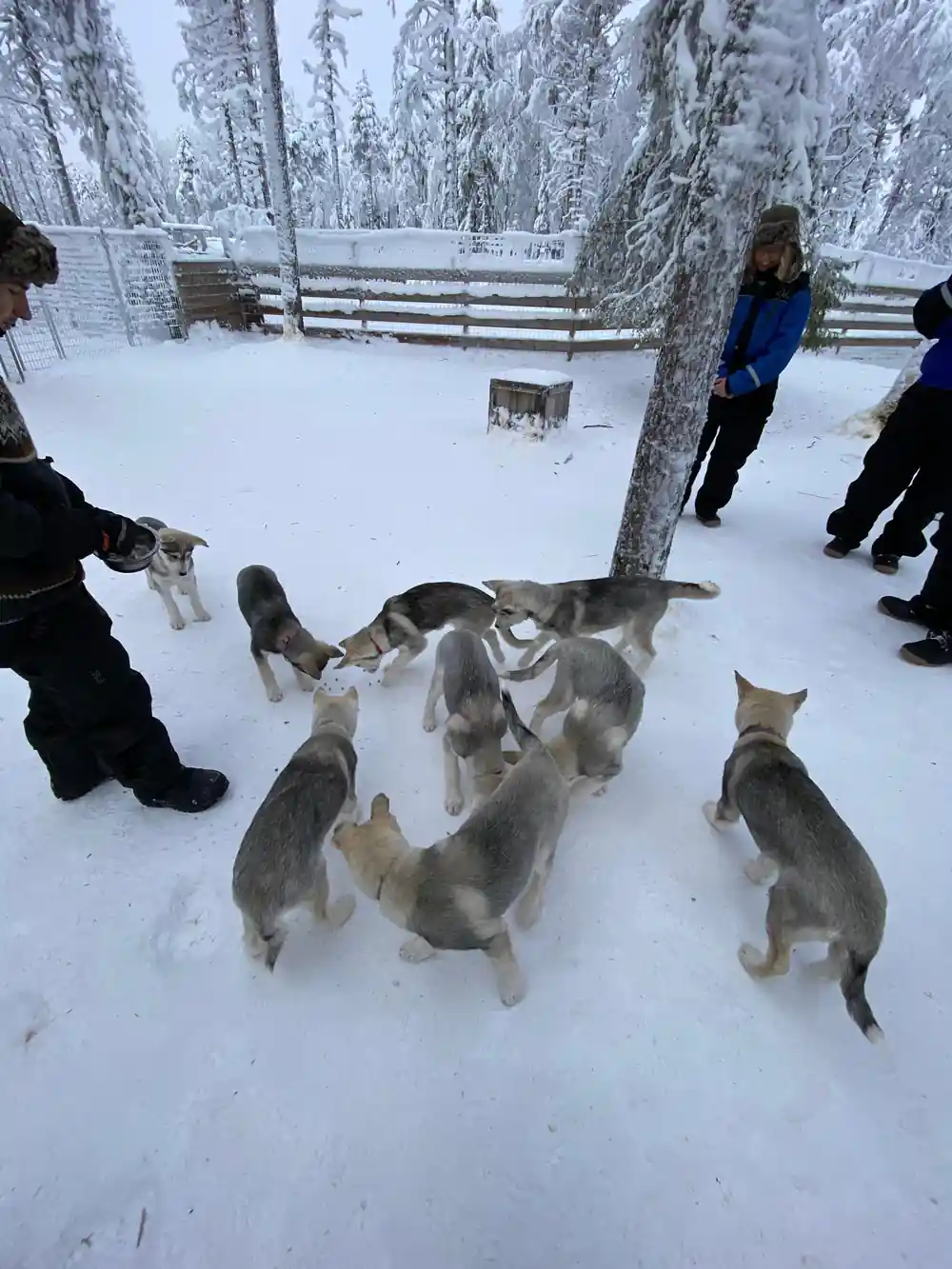
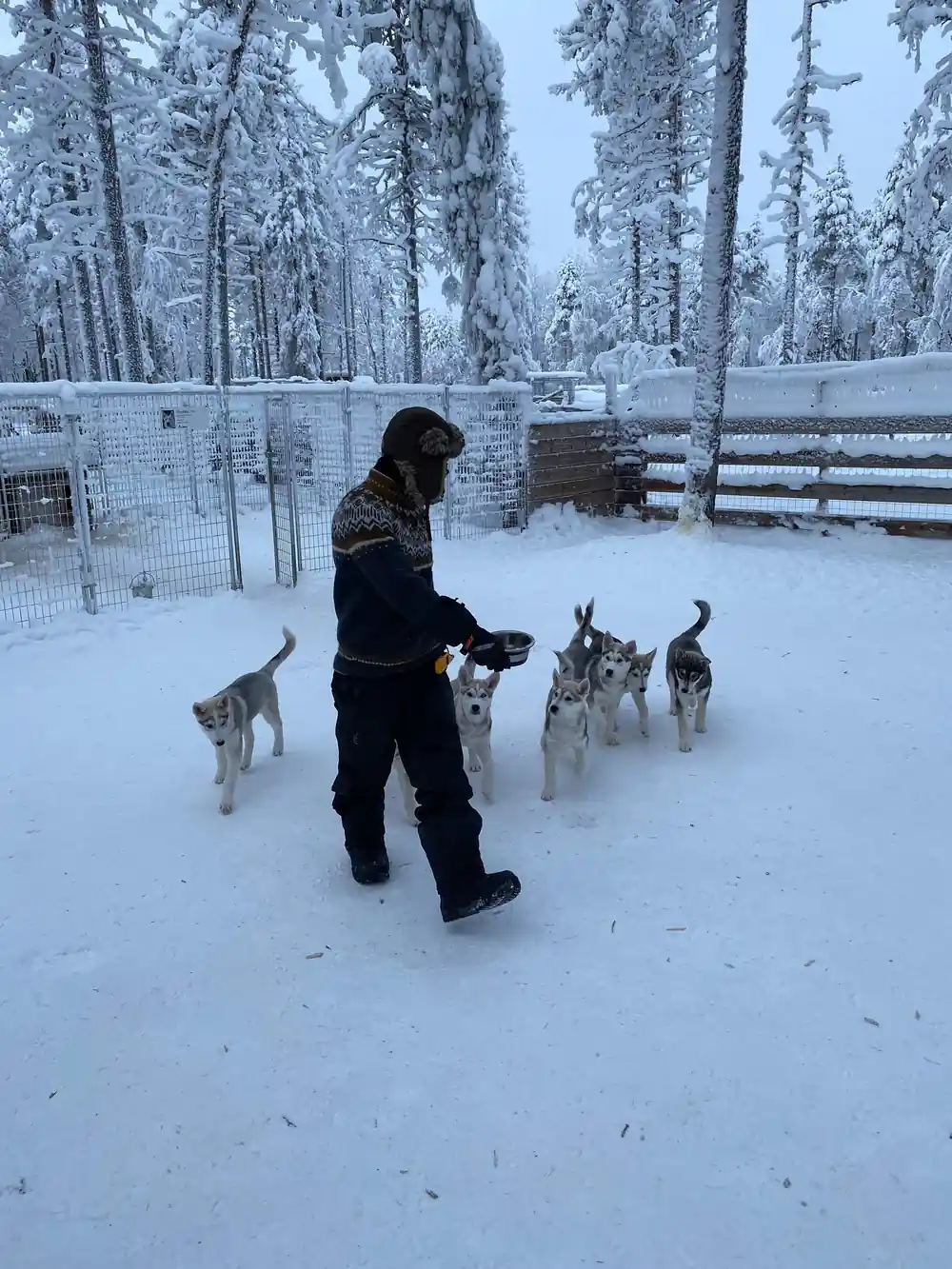
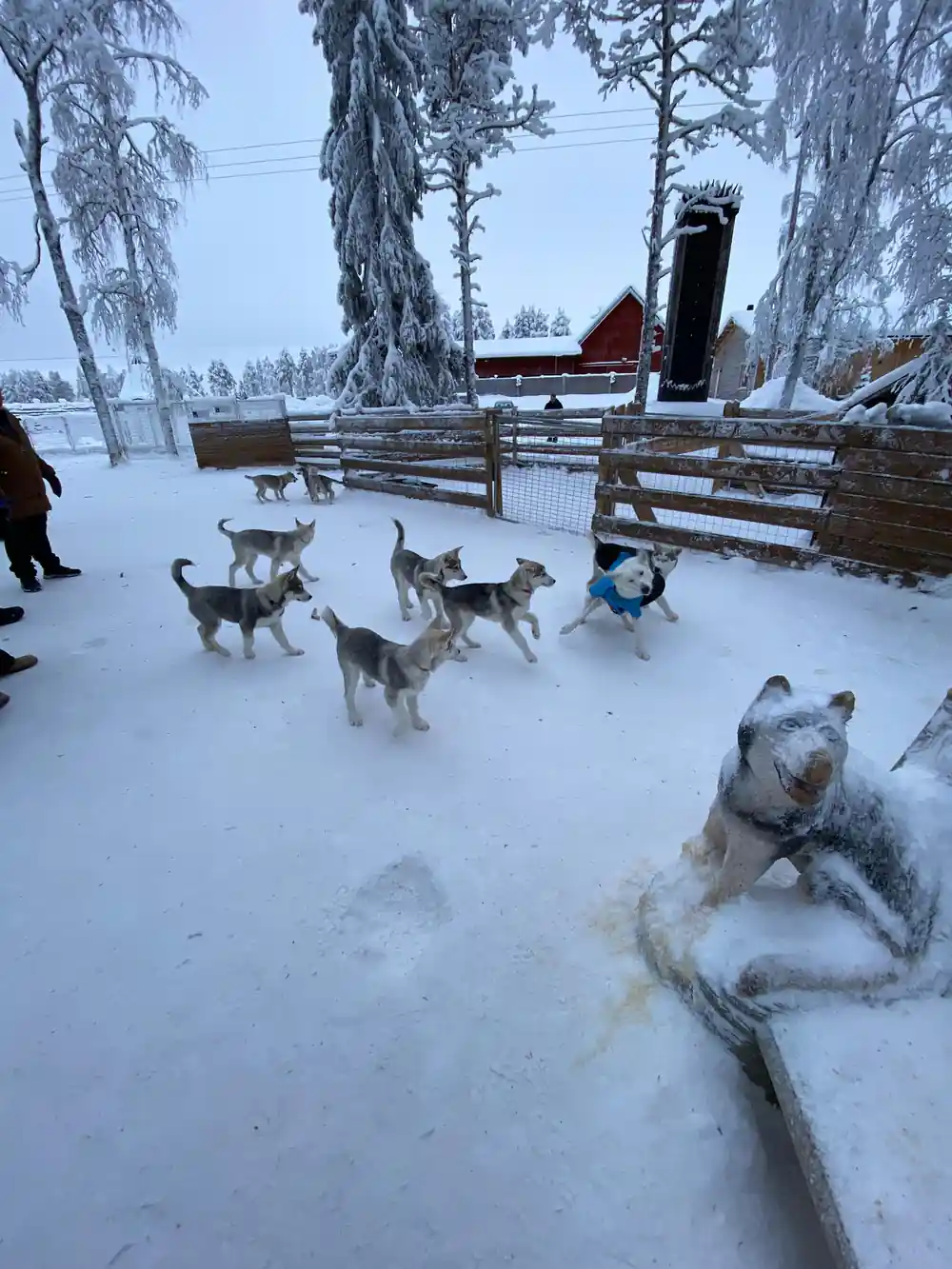
The breeding lines of modern huskies at Apukka descend from these working dogs, though contemporary teams are now trained for leisure rather than cargo. The dogs at the resort have been selected for their temperament, stamina, and compatibility with guided tours. Understanding this history adds another layer to the experience: you are not simply riding in a sled, but participating in a tradition that sustained communities when no alternative existed. The trail itself becomes a archive of how people once moved through this landscape.
Your Position Relative to the Arctic Circle
Rovaniemi is located just 8 kilometers south of the official Arctic Circle marker at 66 degrees 32 minutes north latitude. The Apukka Resort sits within Rovaniemi's territory, placing the mushing route in the subarctic zone. This proximity means that visitors experience genuine Arctic conditions without traveling to the most remote locations in the far north. The consequence is measurable: daylight hours contract severely from November through January, winter temperatures regularly drop to minus 15 to minus 25 degrees Celsius, and the snow cover typically extends unbroken from October through April. These are the physical conditions that make sled dog touring possible and necessary.
Wildlife Signs Along the Winter Trail
The Arctic forest is not empty, though the animals are often invisible. Along the 6 km route, observant travelers may spot tracks pressed into the snow: the distinctive prints of moose, reindeer, or the smaller patterns left by hares and foxes. Pine martens leave their characteristic bounding trails between tree trunks. In the canopy above, black woodpeckers and Siberian jays are year-round residents, adapted to cold that would be lethal to temperate species. The dogs sometimes react to recent animal passage, their attention sharpening toward scent trails invisible to human senses. This reminder of the forest's active inhabitants, despite the apparent emptiness, deepens the sense of traveling through a complete ecosystem rather than a managed recreational zone.
Winter Clothing and the Warming Ritual
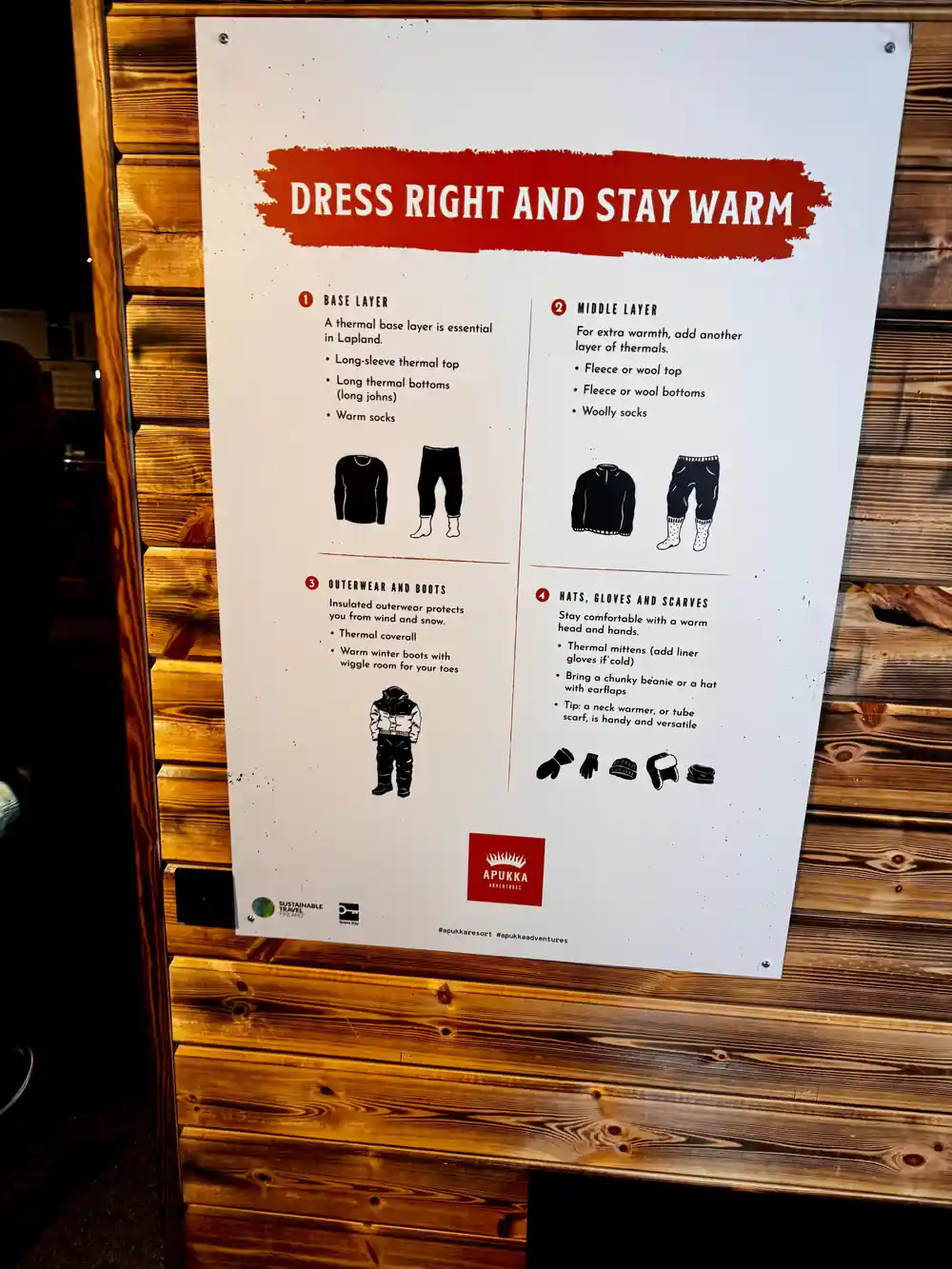
Before departure, you receive thermal overalls, insulated boots, woolen socks, and mittens. These are not ceremonial additions but essential protection: exposed skin on the face can develop frostbite in under 30 minutes at the temperatures typical during winter mushing season. The clothing provided is calibrated for the duration of the tour. At the midpoint, the route returns to Apukka Resort where a hot drink is served, typically lingonberry tea or coffee. This is more than refreshment. The ritual of stopping, removing outer layers slightly, warming hands around a cup, and drinking something heated while standing in a winter lodge creates a profound sensory marker in memory. The contrast between the extreme cold of the trail and the enveloping warmth of the shelter makes the heat feel intensely restorative.
Why This Experience Lingers in Memory
Sled dog mushing through Lapland's winter forest combines multiple sensations that rarely occur together in modern life. You are physically active in extreme cold, dependent on animal power rather than engines, traveling through a landscape that has changed minimally in appearance over decades, aware of historical human activity beneath your present moment. The blue-hour light and the silence after the dogs settle create an atmosphere that feels removed from ordinary time. The effort of guiding the sled team, the cold that demands full attention, and the isolation of the forest combine into something that feels genuinely consequential, rather than mediated or observed. This is likely why those who complete the tour often describe it as transformative: the experience engages multiple dimensions of human attention simultaneously.
Book Your Husky Run Before the Arctic Night Falls
from US$253Reserve now & pay later