The quick version
- Each husky runs several times per week during the winter season, with built-in rest days to prevent fatigue and ensure peak fitness.
- Working sled dogs eat high-protein meals tailored to their energy needs, with portions adjusted based on activity level and weather conditions.
- Huskies sleep in individual insulated kennels with straw bedding, designed to keep them warm and comfortable throughout the Arctic winter.
- During warmer months, dogs rest in shaded outdoor areas with access to water and enrichment activities, away from the intense training schedule.
- Senior huskies transition to quieter roles or permanent homes where they can enjoy a peaceful life after their sledding years end.
How often do huskies run during the season?
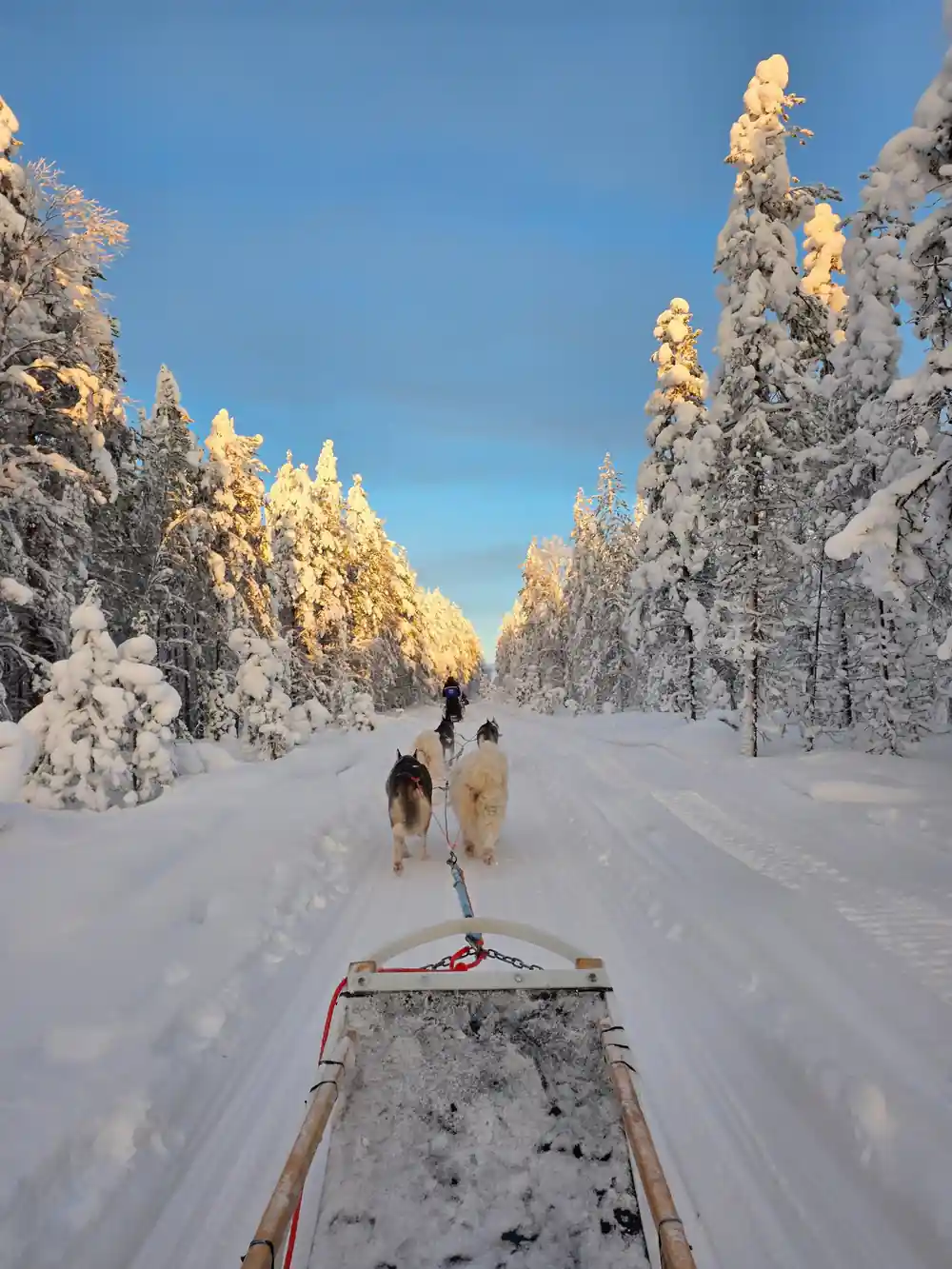
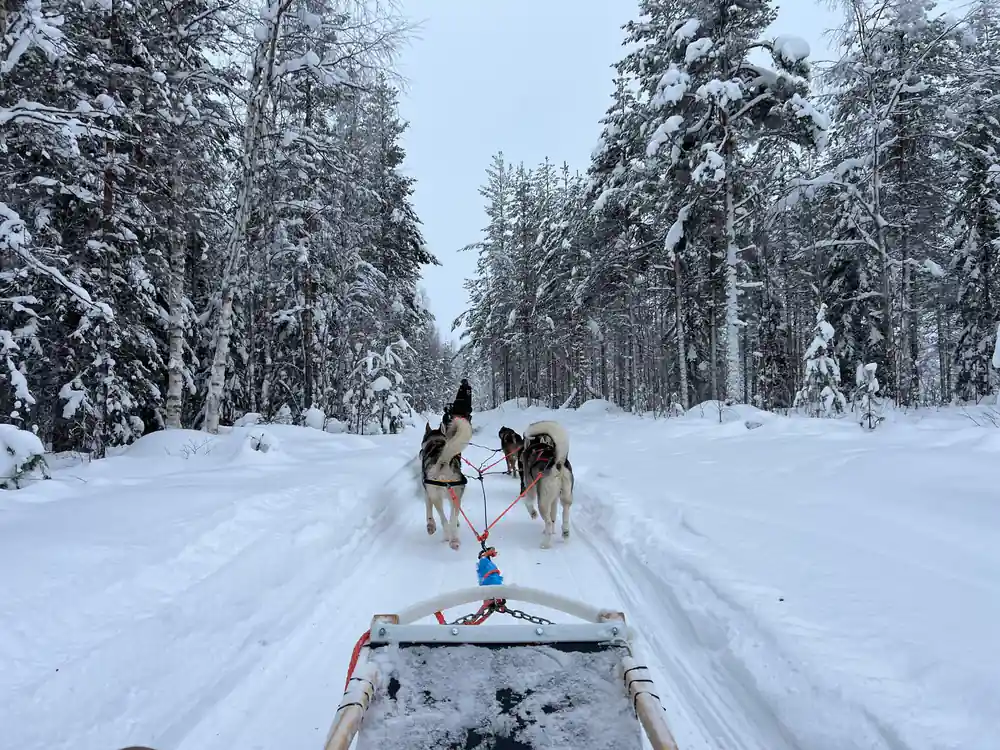
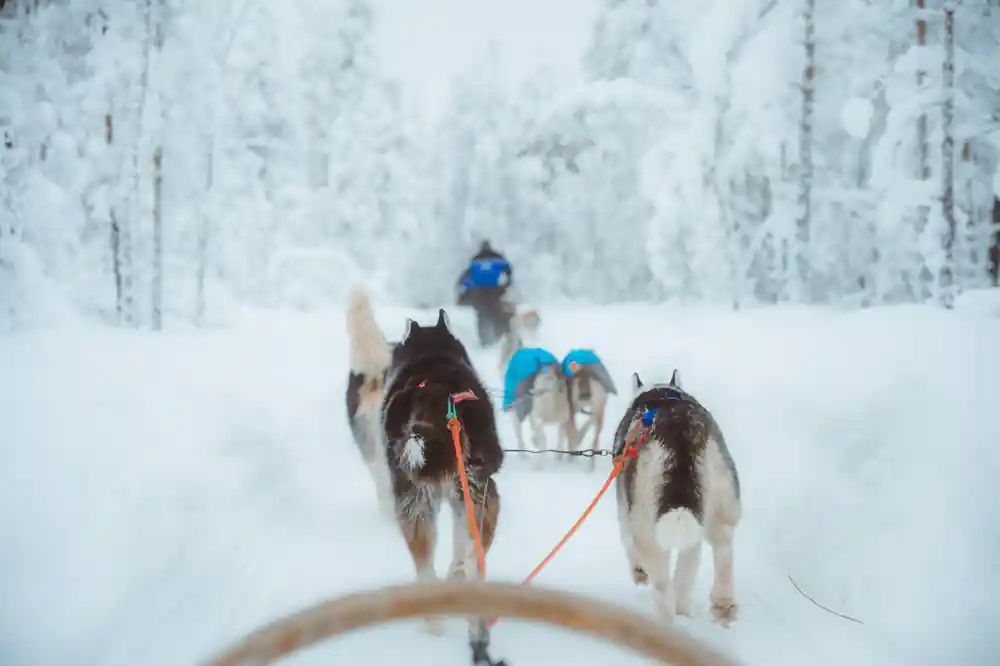
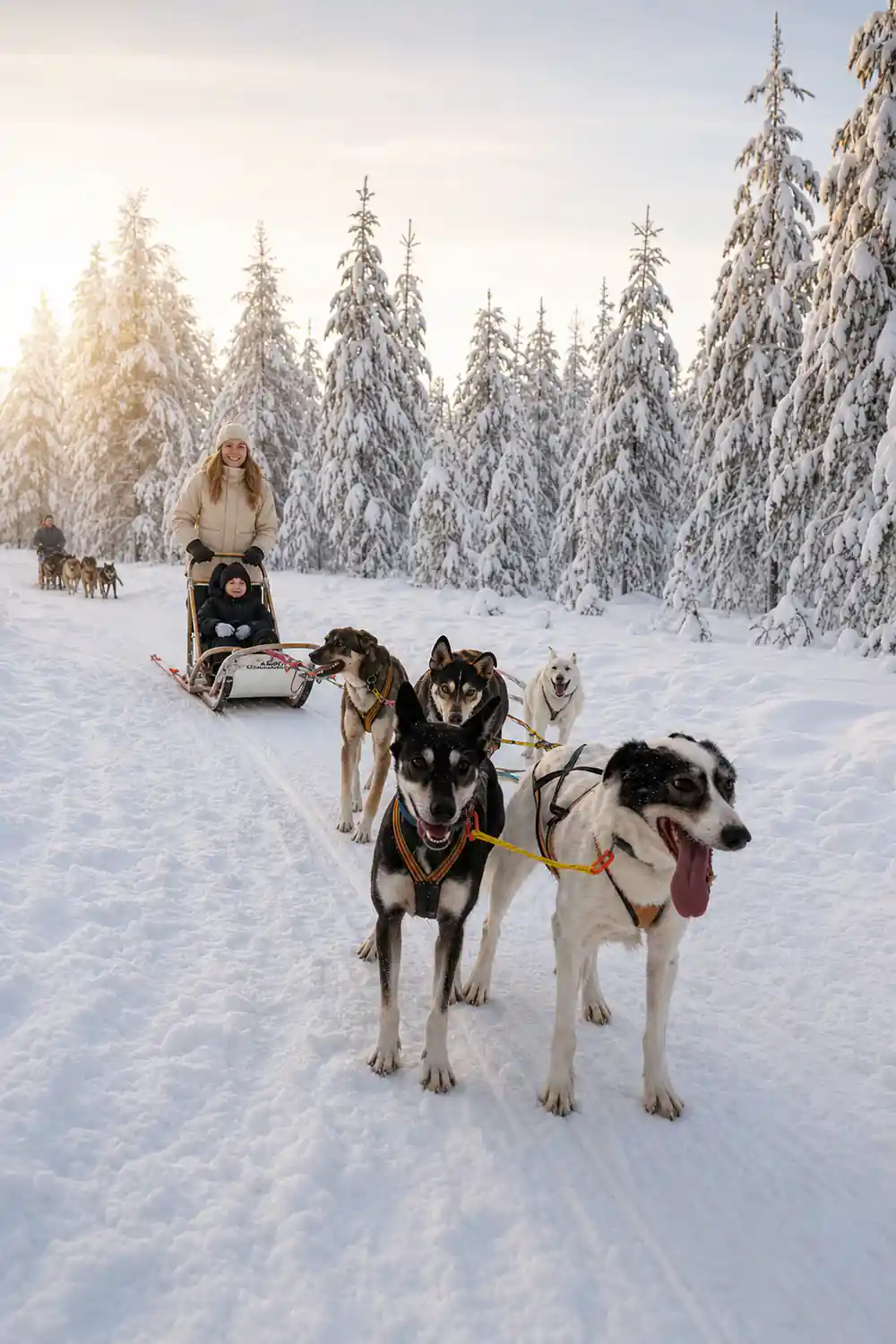
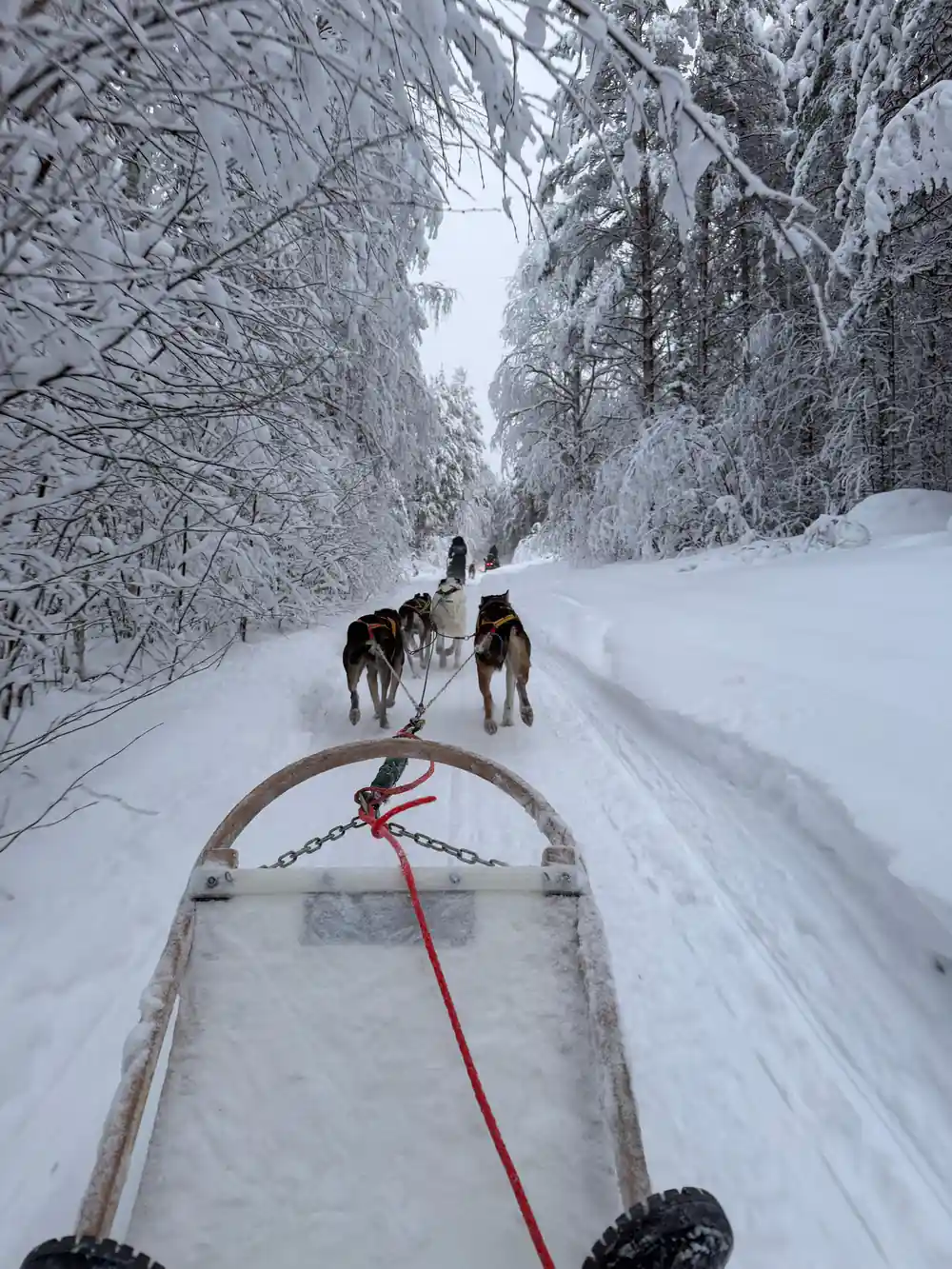
At Apukka, the sled dogs work on a carefully structured rotation that prioritises their wellbeing throughout the winter season. Each husky typically runs three to four times per week, never on consecutive days. This schedule allows their muscles to recover and prevents the fatigue that could lead to injury or diminished performance. The rotation system means that on any given day, only a portion of the kennel is in harness, while others rest and recuperate.
The exact frequency depends on each dog's age, fitness level and individual constitution. Younger, more athletic huskies may handle frequent runs, while older dogs get lighter schedules that keep them active without overexertion. Handlers monitor each team member daily, adjusting the rotation based on energy levels, weather conditions and how the dog performed on its last outing. This personalised approach ensures that every husky remains eager and healthy throughout their working years.
What fuels working sled dogs in winter?
Winter is when Apukka's huskies require peak nutrition to sustain the energy demands of sledding through snow. Their diet shifts to a high-calorie, protein-rich regimen specially formulated for working dogs. The food includes premium sources of protein such as poultry, fish and meat, combined with healthy fats that provide sustained energy and support coat condition in the harsh Arctic climate. Portions increase significantly compared to summer, with working dogs receiving substantially more calories than those in rest rotation.
Feeding happens at carefully timed intervals, typically once or twice daily depending on the dog's schedule and workload. Handlers ensure fresh water is always available, as hydration is critical even in cold weather. The kennel's nutritionists work with handlers to adjust portions based on each dog's metabolism and activity level, ensuring optimal body condition throughout the season. This attention to diet directly supports the performance and health that visitors experience during their husky sledding adventure.
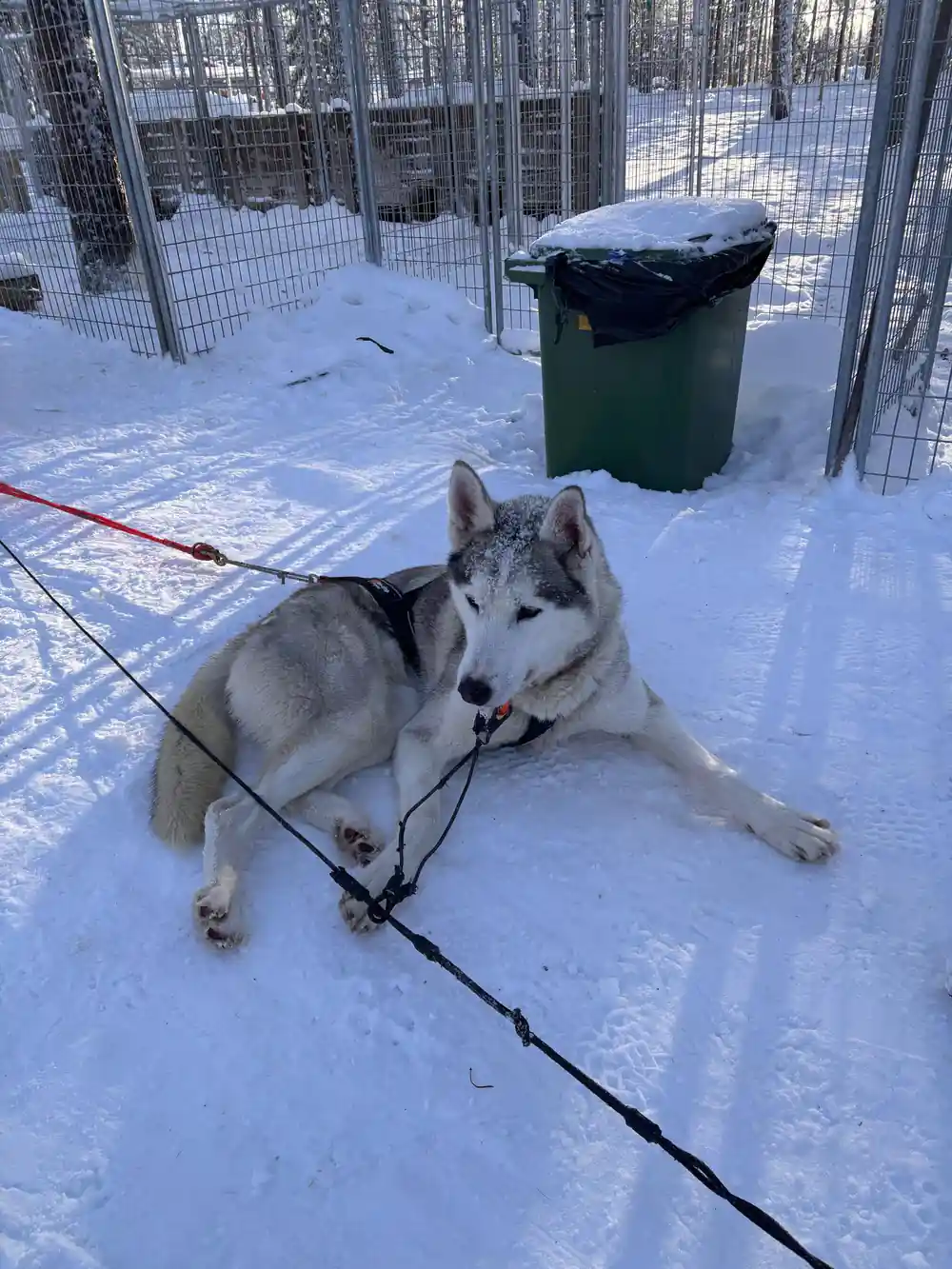
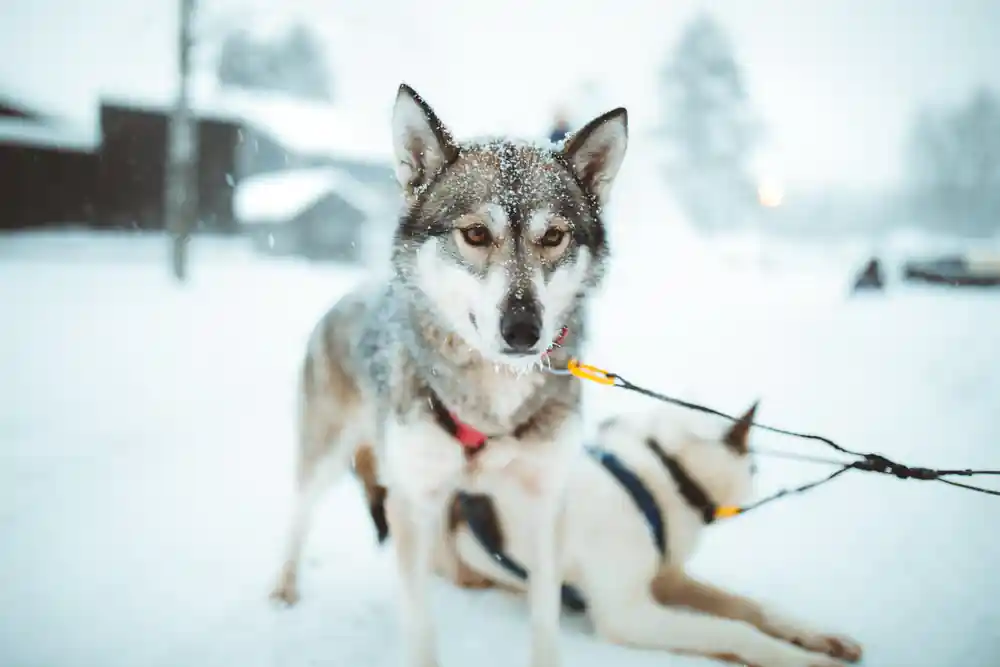
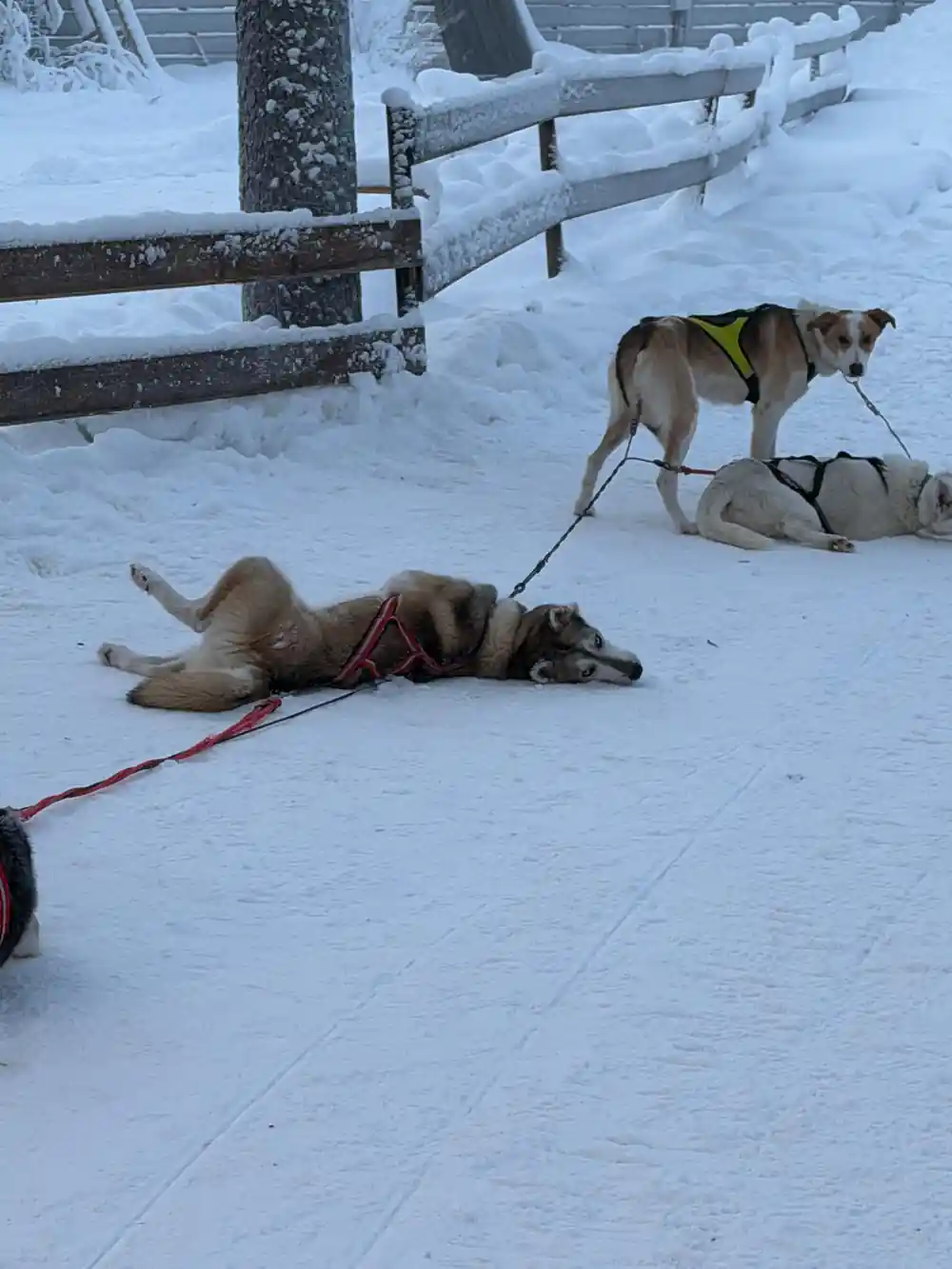
A husky rests in the snow between winter runs
Where and how do the huskies sleep?
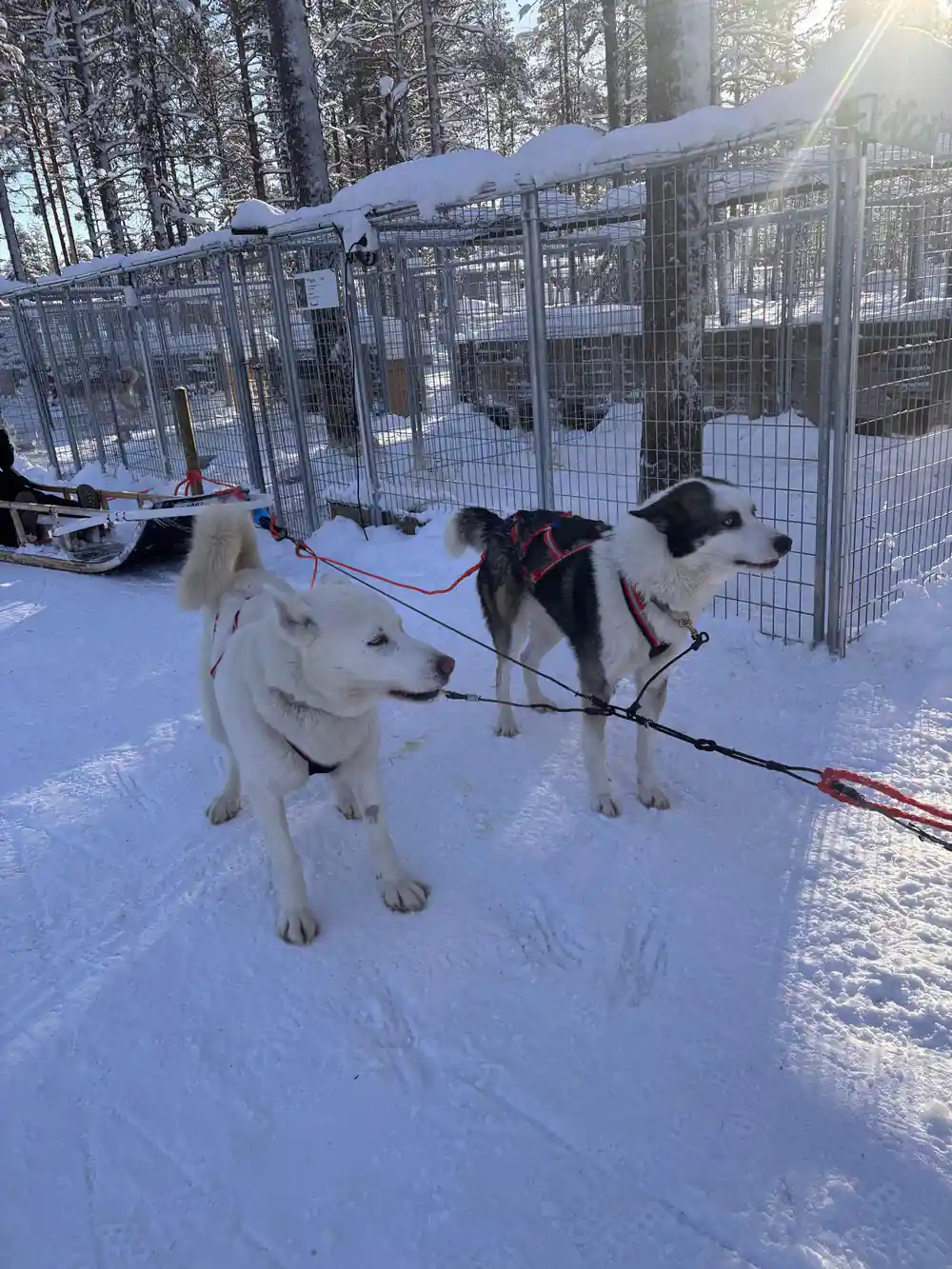
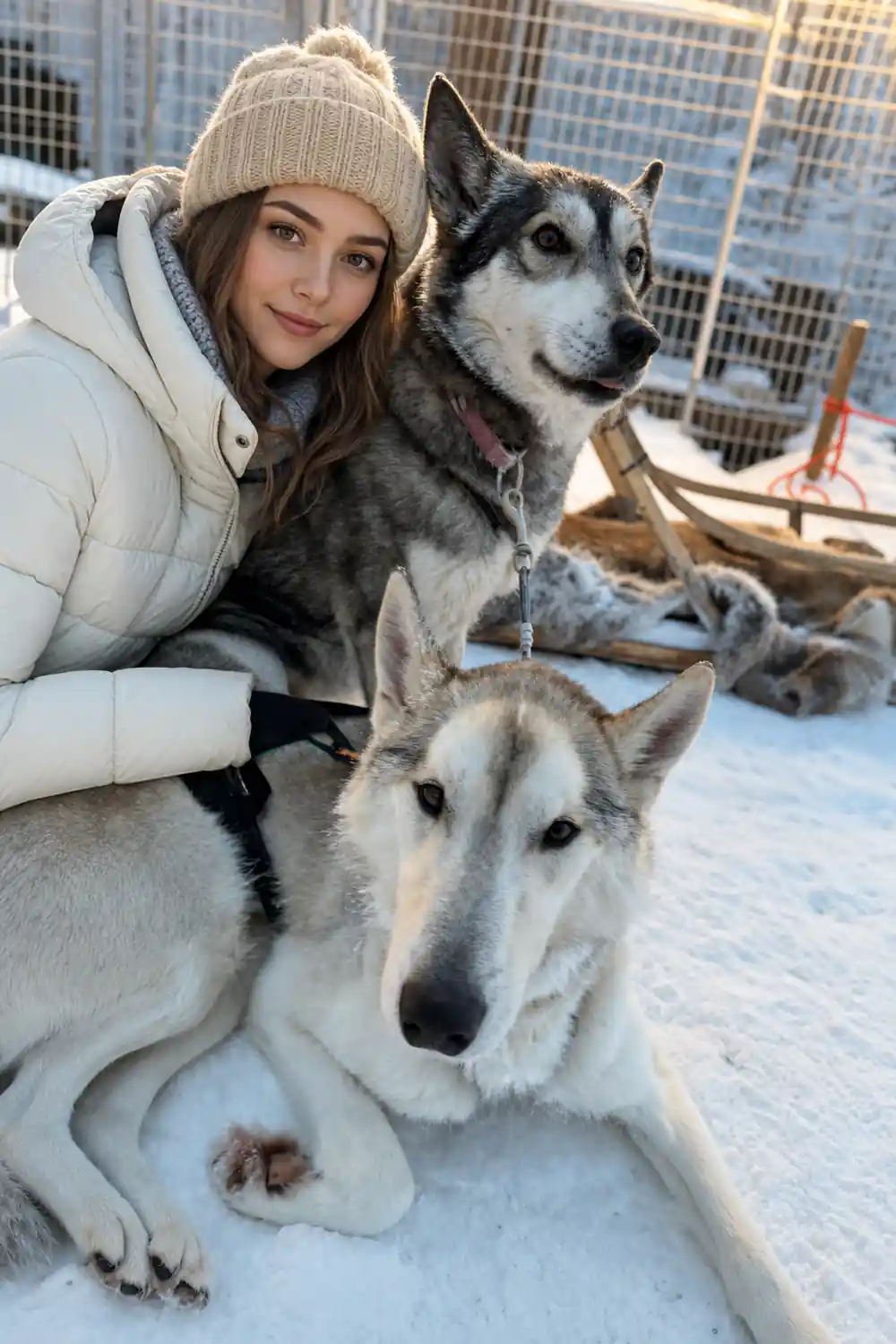
Apukka's huskies live in individual or paired kennels designed to protect them from harsh weather while providing space to move naturally. Each kennel features insulated shelter with deep bedding made from straw or similar natural materials that provide warmth and comfort. The bedding is regularly refreshed to maintain hygiene and temperature regulation. During the coldest nights, many huskies actually prefer their outdoor kennels, as their dense double coats keep them perfectly warm and they find the cold environment comfortable.
The kennel layout allows dogs to see and interact with their pack mates, reducing stress and maintaining the social bonds essential to team dynamics. Handlers monitor sleeping areas daily, adjusting bedding and checking for any signs of discomfort. Dogs that need extra shelter or have health concerns receive additional provisions. This housing system respects the husky's natural adaptability to Arctic conditions while ensuring safety and comfort during the intensive working season.
What happens during the long summer months?
When snow melts and the season ends, Apukka's working huskies transition to summer routines that look dramatically different from winter life. The dogs are released from regular sledding duties and shift to lighter activity focused on conditioning, play and recovery. They enjoy more freedom to roam, socialise and simply be dogs, which is essential for their mental and physical health after months of structured training and performance. Swimming, play sessions and casual exercise replace the intensity of winter.
Summer is also when the kennel performs maintenance and preventive care. Handlers assess each dog's health, address any minor injuries from the working season and ensure vaccinations are current. The dogs' coats are maintained through grooming to prepare for their next winter in harness. Puppies and younger dogs use summer for additional training and socialisation, building the skills and confidence they will need when they join working teams. This off-season rhythm is crucial to keeping huskies healthy, happy and ready for the next sledding adventure.
Reading the signs of a tired or unwilling dog
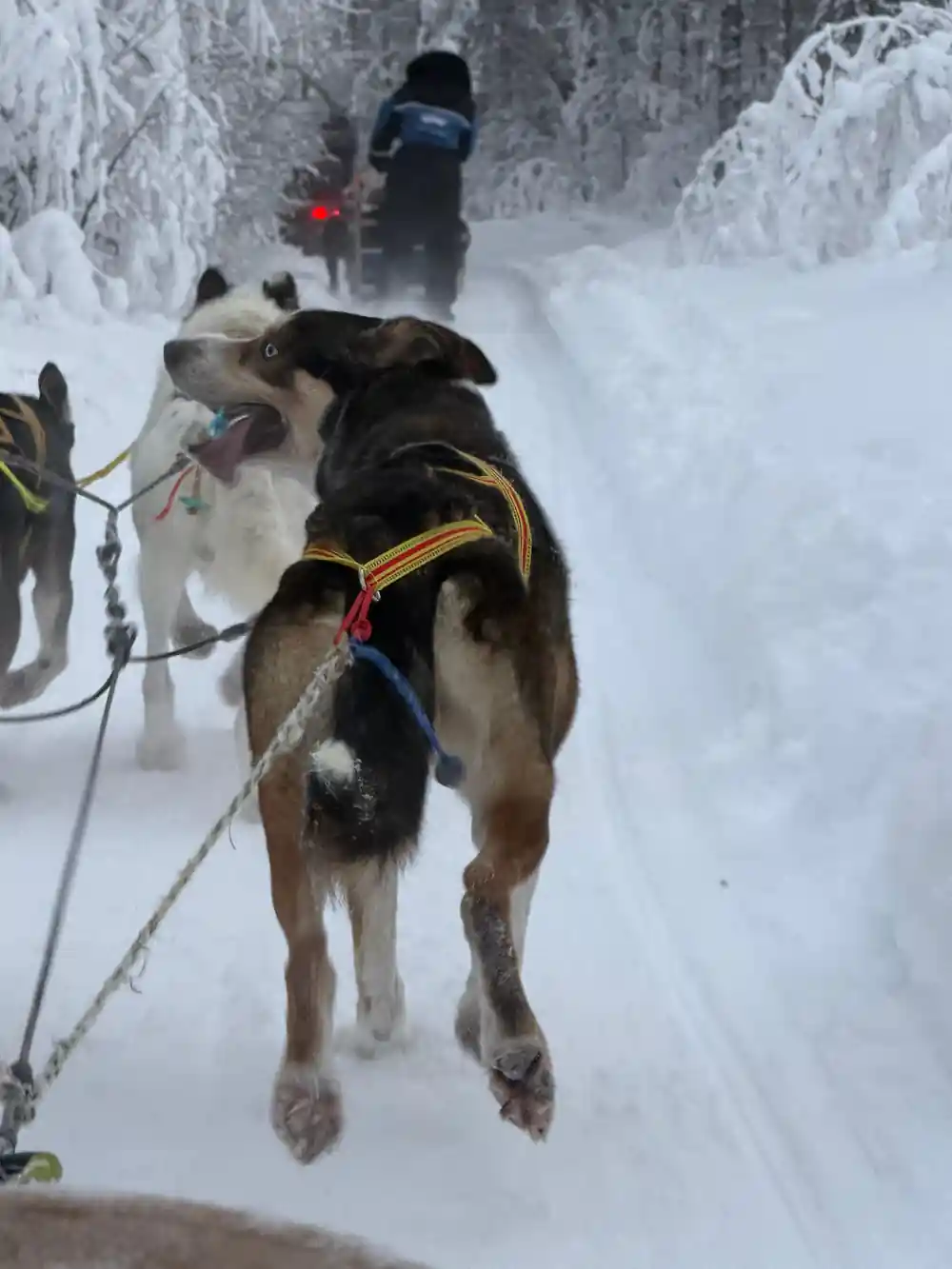
Experienced handlers at Apukka develop an intuitive ability to read their dogs' physical and behavioural cues, recognising fatigue or reluctance before it becomes a problem. An unwilling husky may lag in harness, pull to one side, refuse to engage with teammates or show decreased enthusiasm during preparation. Signs of tiredness include slower movements, reduced responsiveness and changes in ear position or tail carriage. These subtle shifts matter greatly because they indicate the dog needs rest rather than continued work.
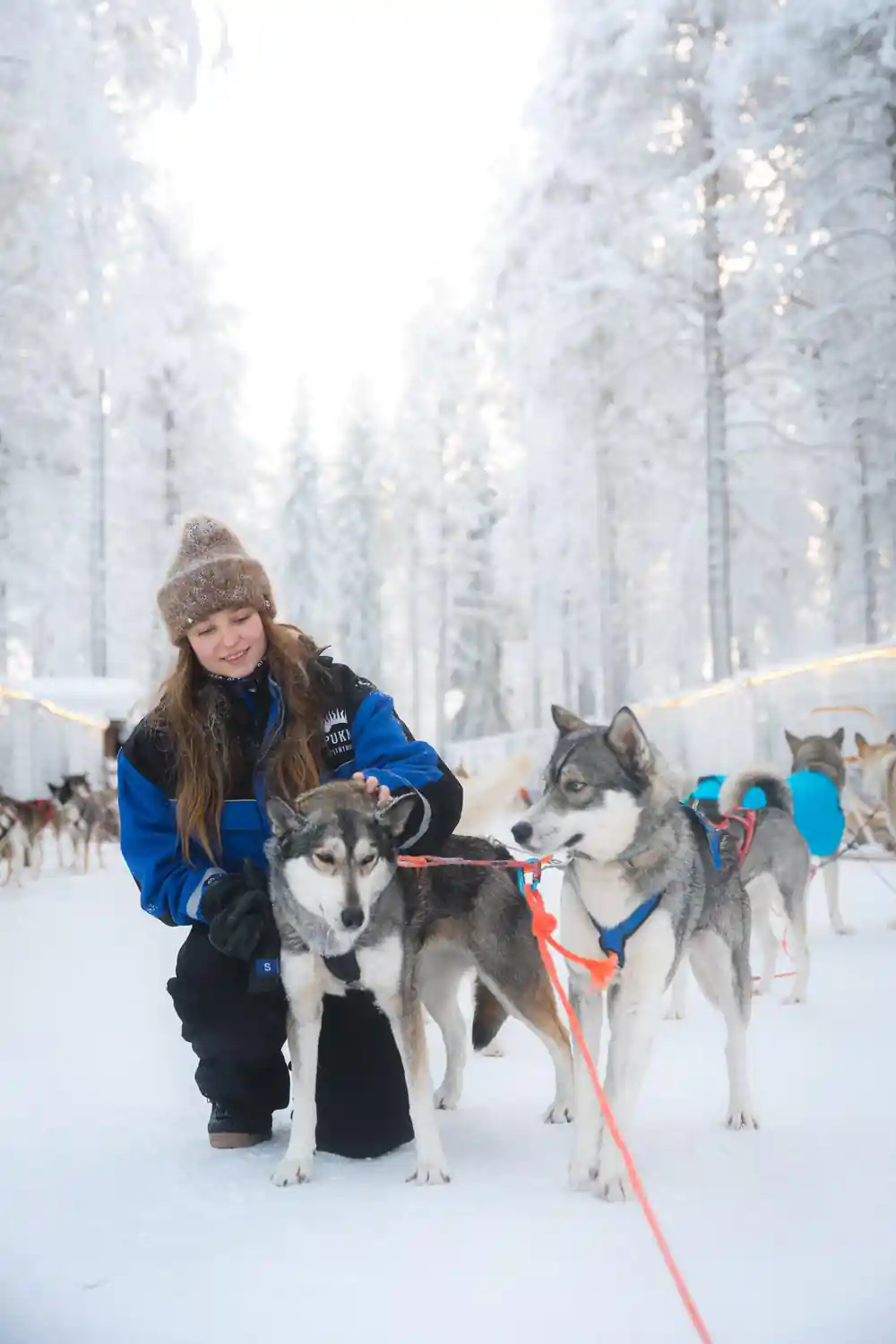
When handlers spot these signals, the dog is immediately pulled from the team and given recovery time. This might mean a few days off the rotation, lighter duties on the next run or veterinary assessment if the signs suggest illness. The kennel's philosophy prioritises each dog's wellbeing over schedule, recognising that respecting these signals keeps huskies healthy and maintains their love of sledding. This attentiveness to individual dogs is why Apukka's huskies consistently perform well and genuinely enjoy their work when visitors arrive for their 6 km adventure.
The annual soil renewal that reviewers notice
One practice that sets Apukka apart and catches visitors' attention is the complete replacement of kennel soil each year. Over the course of a working season, the ground becomes compacted and accumulates organic matter that can harbour parasites and bacteria despite regular cleaning. By renewing the soil annually, the kennel eliminates these health risks and maintains a clean, hygienic living environment for the dogs. Fresh soil provides better drainage, reduces odour and gives the dogs a cleaner space for their outdoor time.
This labour-intensive commitment demonstrates Apukka's dedication to preventive health care. The annual renewal costs time and resources but directly prevents illness and parasitic infections that could affect the entire pack. Reviewers frequently mention this practice because it reflects genuine animal care rather than minimum standards. The dogs visibly benefit from the clean environment, and this attention to detail contributes to the excellent health and spirited behaviour that makes the husky teams so impressive during winter sledding tours.
From puppies to team members
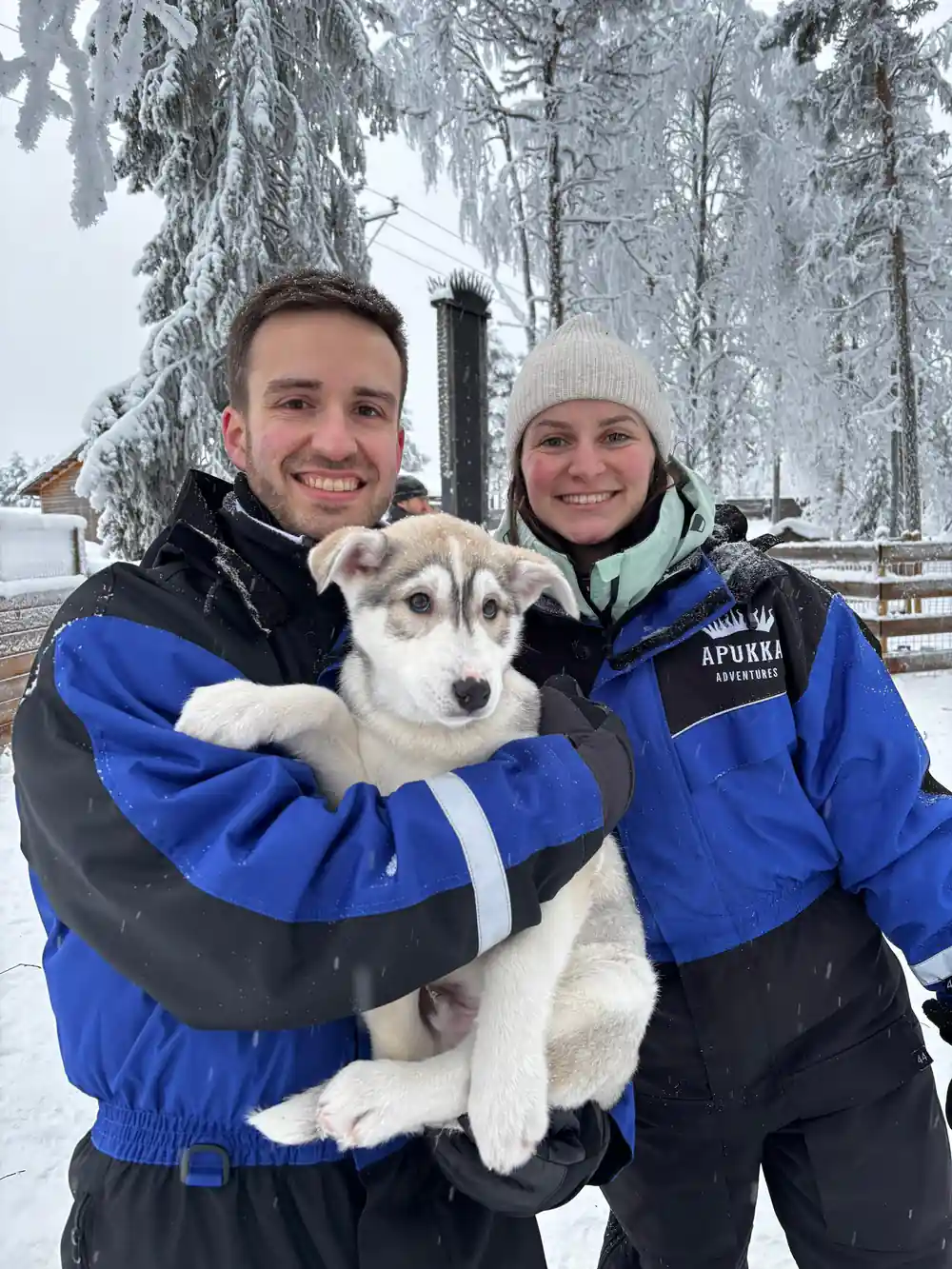
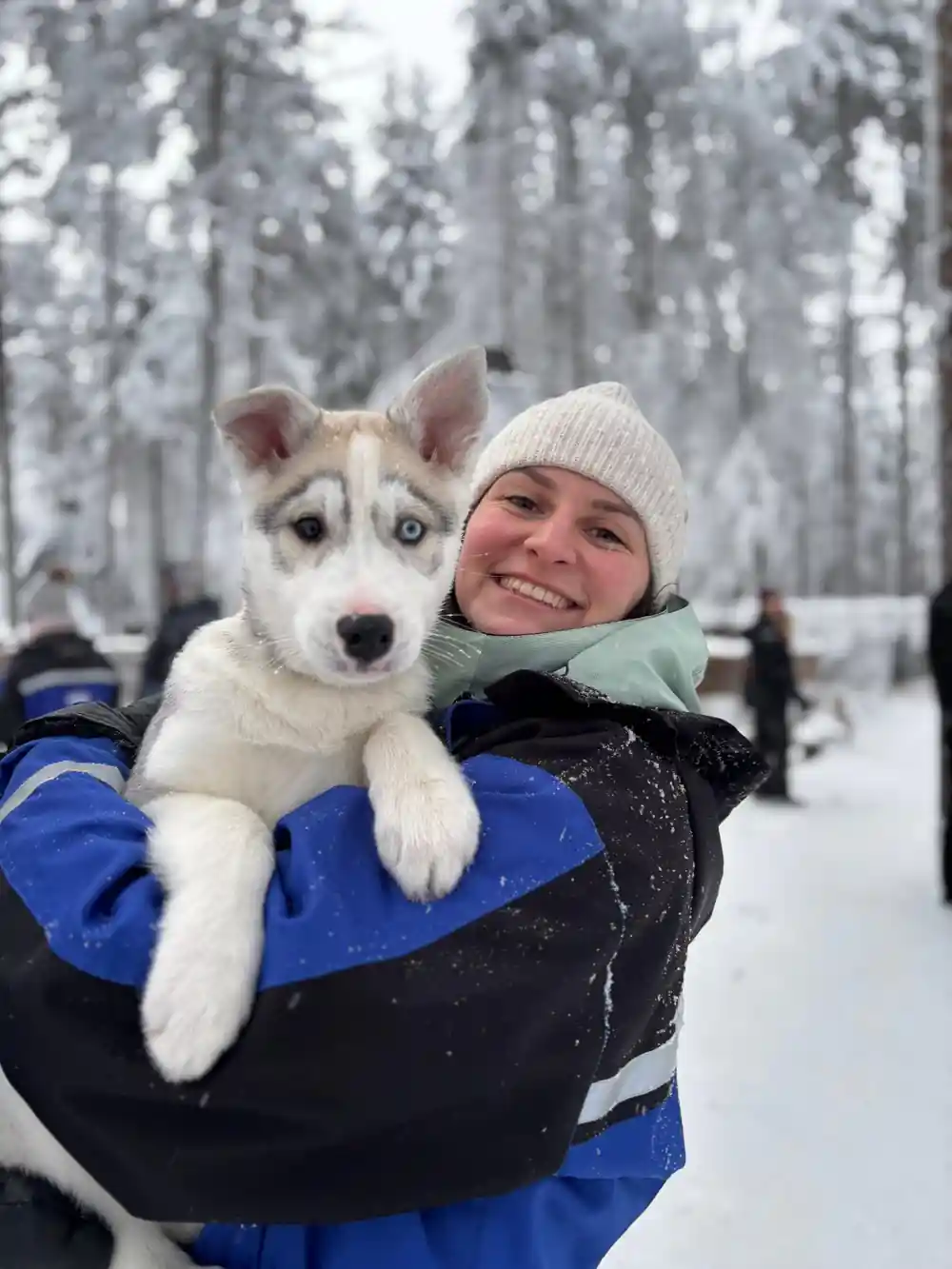
Apukka raises husky puppies with the same structured approach that shapes the working teams. Young dogs begin their development in a separate area where they learn basic commands, socialise with handlers and other dogs, and gradually become accustomed to harness and sledding equipment. Early training focuses on building confidence and obedience rather than demanding performance. Puppies spend time playing with older dogs, which teaches them pack dynamics and acceptable behaviour within a team structure.
As puppies mature, they progress through increasing levels of training and responsibility. Younger adolescents might pull lighter loads or join teams for shorter distances before advancing to full roles in experienced teams. This graduated approach ensures that each dog develops the strength, skill and mental toughness required for reliable sledding. By the time a husky reaches full team status, it has already logged significant experience and proven its willingness and ability. This methodical development process is why Apukka's teams are reliable, well-behaved and genuinely enthusiastic when your adventure begins.
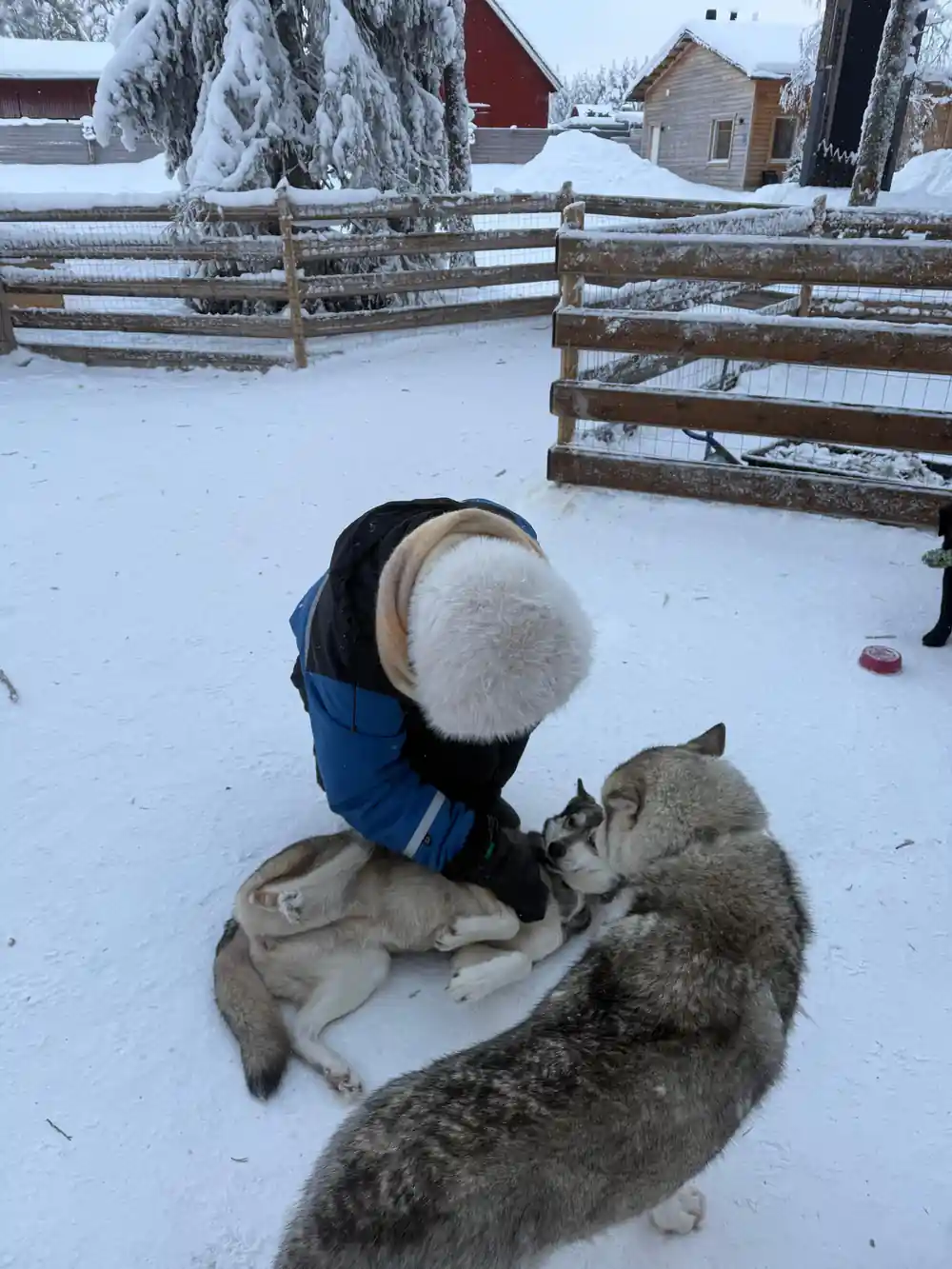
Meet the huskies behind your ride
from US$253Reserve now & pay later
-
★★★★★
The dogs were clearly well-cared for and happy. You could see it in how they moved.
 Tyler H.
-
★★★★★
Impressed by how the handlers checked each husky before we set off. Real attention to their wellbeing.
 Gary M.
-
★★★★★
The kennels were spotless. Everything looked clean and organized, which put my mind at ease.
 Emily Y.
-
★★★★★
Our handler explained the rotation system so the dogs don't overwork. It shows they care.
 Gary E.
-
★★★★★
The huskies were in excellent condition. You could tell they're treated with real respect here.
 Jason L.
-
★★★★★
Learned that retired dogs stay on site in comfort. That says everything about their ethics.
 Patricia B.
-
★★★★★
The facilities were immaculate. Soil replacement, proper shelters, fresh water everywhere.
 James F.
-
★★★★★
Handler was attentive to the dogs' energy levels throughout. Not pushed beyond what they could handle.
 Stephen Y.
-
★★★★★
You can see these are healthy, muscular dogs. Their nutrition and care standards are clearly high.
 Paul W.
-
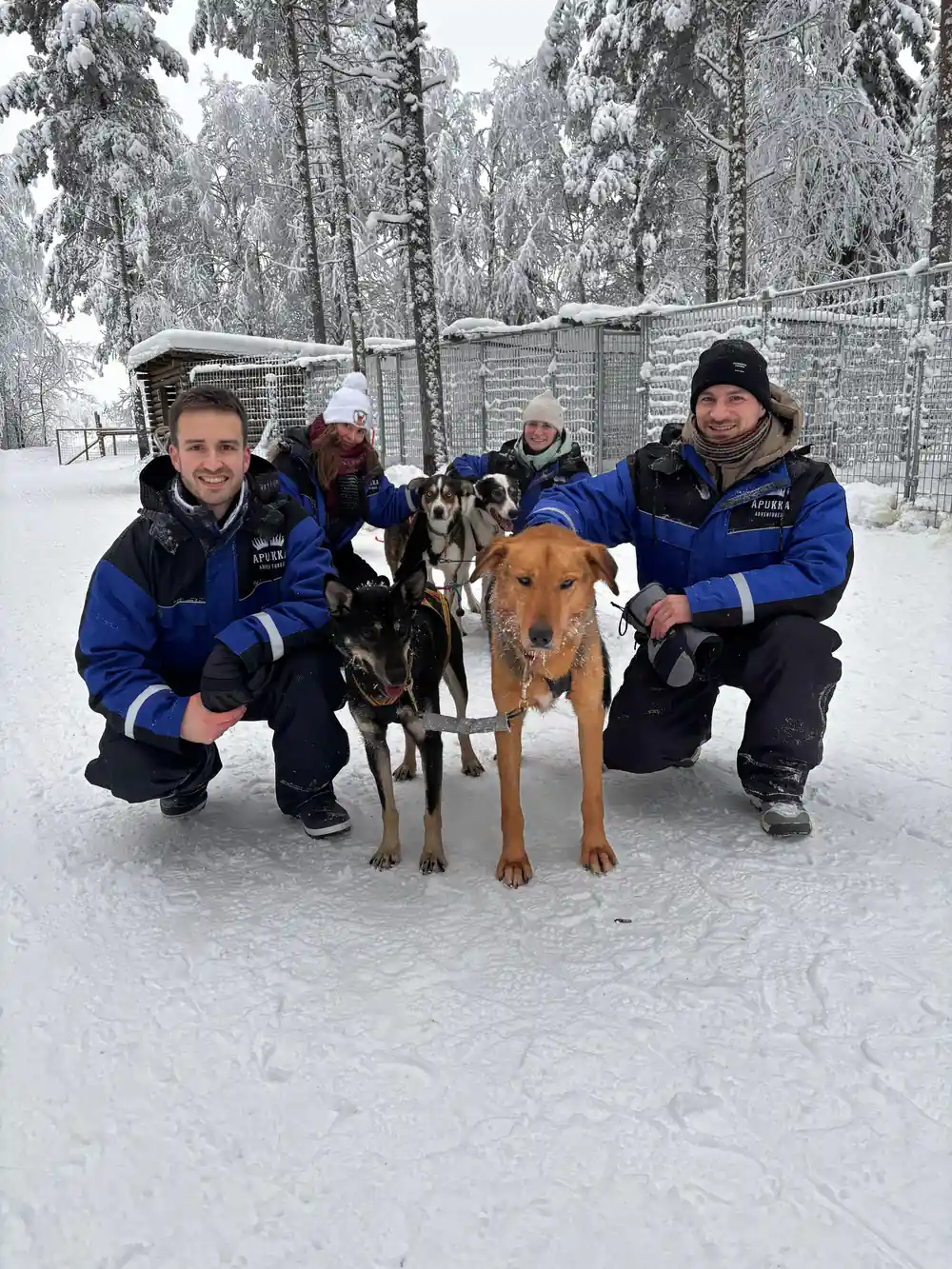
★★★★★
The kennel operation felt transparent and genuine. No compromises on how the dogs are kept.
 Donna N.